
Pulaski County, Arkansas – Questions about the rapid rise of large-scale data centers in Central Arkansas took center stage Tuesday as Pulaski County officials, utility leaders, and economic development representatives faced growing public scrutiny over two major proposed developments tied to global tech demand.
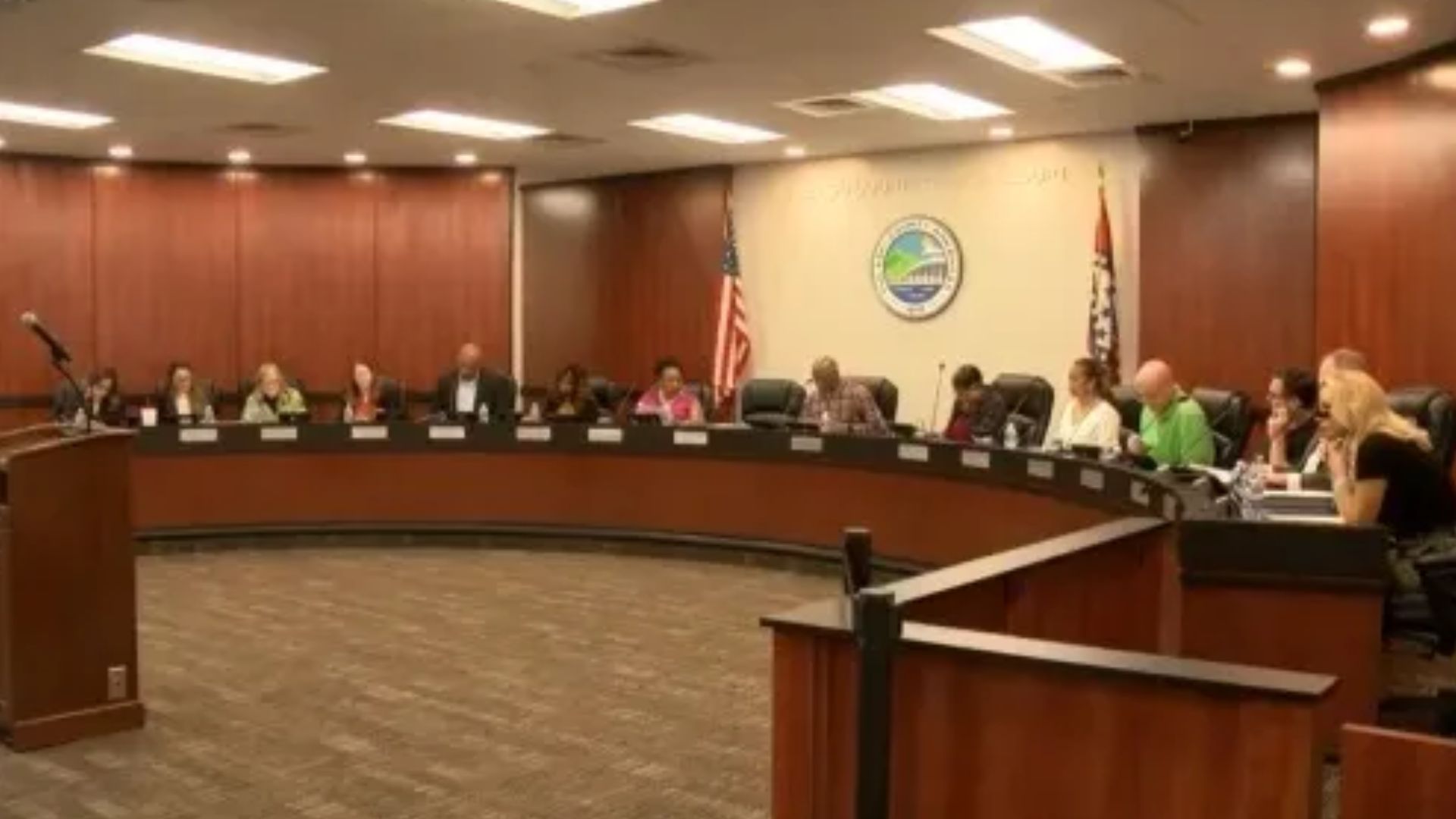
The discussion stretched from a morning press conference to a lengthy evening session of the Pulaski County Quorum Court, where members ultimately voted 11-3 to send five data center-related measures back to the county planning board for further review and public hearings. The decision means no final action will be taken until additional analysis is completed and community feedback is collected.
The measures include Resolution 32, Resolution 33, and Ordinances 30, 31, and 34. County leaders said the planning board must return its recommendations within 90 days, setting up another round of debate later this year.
At the heart of the controversy are two major projects: a proposed Google data center campus at the Port of Little Rock and a large artificial intelligence and cloud computing campus proposed by AVAIO Digital. Together, the projects represent billions of dollars in potential investment and what supporters describe as a major leap forward for the region’s digital infrastructure economy.
But they have also triggered questions about water use, electricity demand, environmental impact, and how quickly such massive developments are moving through local approval processes.
Earlier in the day, local leaders gathered at the Central Arkansas Library System’s main library in Little Rock to introduce a new public information platform designed to address rising concerns. The website, LRDataCentersFacts.com, was launched jointly by the Little Rock Regional Chamber, Entergy Arkansas, Central Arkansas Water, and the Little Rock Water Reclamation Authority.
Officials said the goal is to create a single source of verified information about data center development in Central Arkansas, covering topics such as water usage, power demand, environmental impacts, noise concerns, infrastructure capacity, and economic effects.
Little Rock Regional Chamber President and CEO Jay Chesshir said the initiative was a response to increasing public uncertainty.
“As interest in data center development grows, so do questions from our community,” Chesshir said during the announcement. “We’ve heard those concerns, particularly around water usage, electricity demand, environmental impact, and noise.”
Throughout the briefing, officials stressed that existing utility customers would not be financially burdened by the new facilities, a point that became central to the broader debate.
Representatives from Entergy Arkansas strongly defended the electric grid’s ability to support the proposed projects. Vintrell Thompson of Entergy Arkansas said the companies behind the data centers would be responsible for paying the full cost of any infrastructure upgrades needed to serve their operations.
“These data center projects are not being built on the backs of Arkansas families and businesses,” Thompson said.
Entergy officials also pointed to a financial framework known as “Fair Share Plus,” estimating that agreements tied to the projects could generate up to $1.7 billion in customer benefits over the life of the contracts.
Water infrastructure was another focal point. Central Arkansas Water CEO Tad Bohannon said the region’s system was designed decades ago with long-term growth in mind and emphasized that residential customers would not subsidize industrial demand.
“Providing safe, reliable water to households remains our top priority,” Bohannon said.
According to utility data, Central Arkansas Water currently treats about 67 million gallons per day and has a total capacity of roughly 157 million gallons daily. Officials added that water supply projections indicate the region could meet demand through around 2100.
The Little Rock Water Reclamation Authority also addressed wastewater concerns. CEO Jean Block said the system servicing the Port of Little Rock is capable of handling expected output from the Google project without raising sewer rates.
Supporters of the projects focused heavily on potential economic gains. Jay Chesshir described the scale of investment as potentially transformative for the region’s tax base and job market.
A single $1 billion data center building, he said, could generate approximately $4.5 million in property taxes, more than $1.8 million annually for the City of Little Rock, and about $2.8 million annually for the Pulaski County Special School District.
Google’s proposal could eventually include up to five buildings at the Port of Little Rock site.
The AVAIO Digital project is even larger in scope. The company has proposed an initial $6 billion investment with the possibility of expanding to $21 billion over time. The campus would span roughly 760 acres and could require up to one gigawatt of electricity at full buildout.
Officials also estimate the AVAIO project could generate more than 500 permanent jobs along with thousands of construction positions during development.
Despite the optimistic messaging earlier in the day, the tone shifted sharply during the evening Quorum Court meeting as elected officials raised concerns about oversight, timing, and long-term impacts.
Justice of the Peace Julie Blackwood, who sponsored the resolutions, said her concerns were centered on infrastructure protection and public safety rather than opposition to development itself.
“It’s not that I am against business,” Blackwood said during the meeting. “I’m so worried about our water system. It’s the main thing that I am worried about. Public safety is what I am looking at.”
Other justices echoed similar concerns, calling for stronger impact studies and more detailed infrastructure planning before any approvals move forward. Several also questioned whether the county is moving too quickly given the scale of the proposals.
“I think just like you all we received these items Thursday,” Justice McCoy said. “Cart is moving a little too fast.”
A major point of tension involved whether new county regulations would apply to projects already underway. Officials indicated that once certain approvals are cleared, construction could begin quickly.
“They still have a few items to clear… but could begin building within 30 days of being cleared,” Pulaski County Planning Director Jim Crainer said. “They would get started almost immediately.”
That raised concern among some justices that any new rules might arrive too late to influence the current projects.
Justice Massey voiced that concern directly.
“Anything that is passed tonight won’t help with the current situation,” Massey said. “It appears that the ship has already sailed.”
County attorneys later clarified that new regulations would likely apply to future developments rather than projects already moving through the approval pipeline.
As debate continued, several officials emphasized the importance of slowing the process to allow for greater public participation.
“One thing I do not want is for us to box ourselves in with ordinances that get it right,” Justice Person said during the discussion. “I don’t need to be rushed, I need to get it right.”
That sentiment ultimately shaped the night’s outcome, with the Quorum Court voting to send all five measures back to the planning board for additional review and public hearings.
For now, Pulaski County finds itself in a holding pattern. The proposals remain active, the economic stakes remain high, and the public debate over how Central Arkansas should manage its emerging role in the data infrastructure economy is only expected to intensify in the months ahead.


