
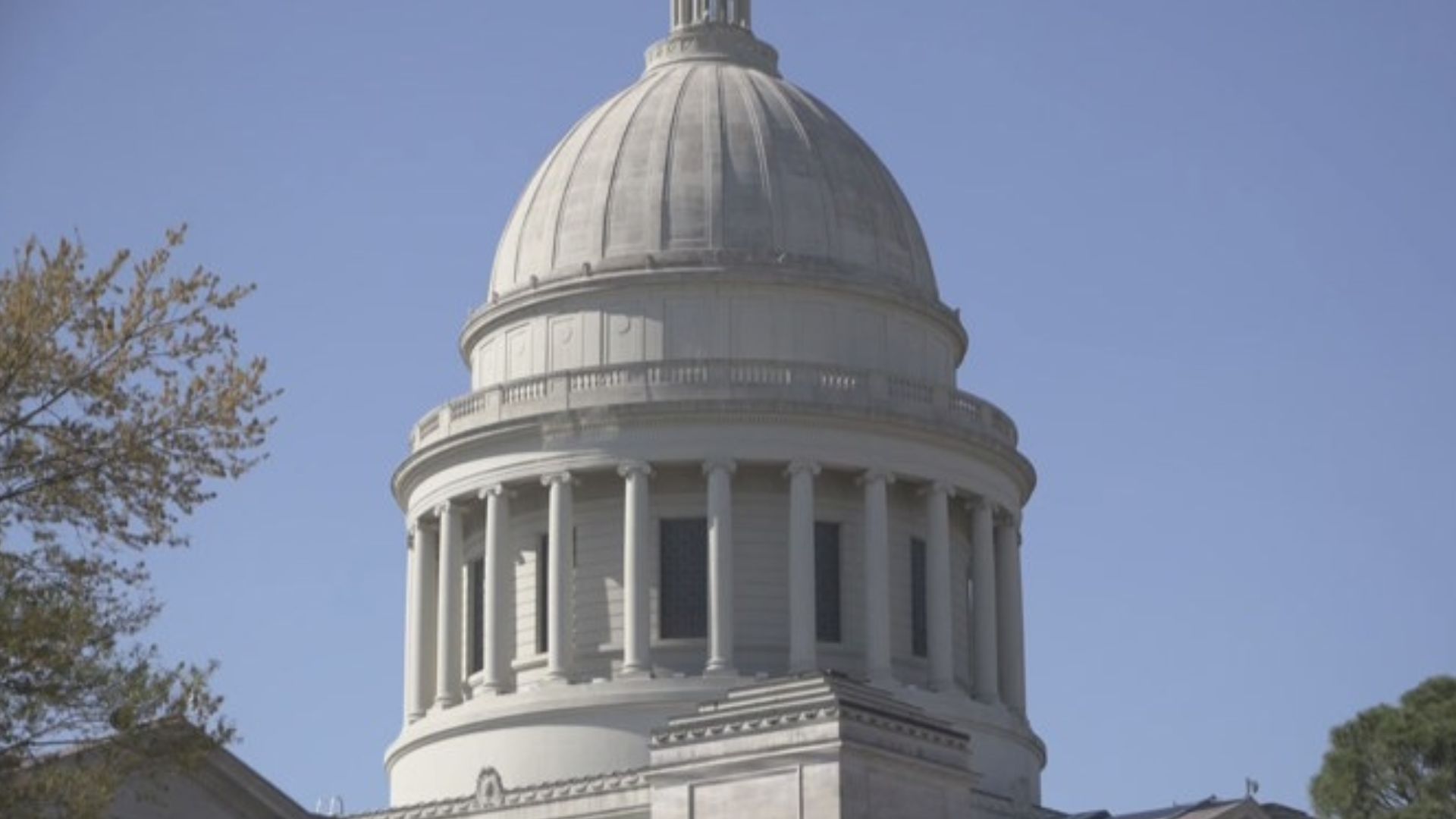
Little Rock, Arkansas – A new political push for tax reform is set to take center stage in Arkansas after Governor Sarah Huckabee Sanders formally called the state legislature into a special session scheduled for May 4, 2026, at 3:00 p.m.
The decision was issued through an official proclamation, signaling what state leaders describe as an “extraordinary occasion” requiring immediate legislative attention. The session will bring the 95th General Assembly back to the Capitol in Little Rock to consider targeted tax changes and related fiscal measures.
“TO ALL TO WHOM THESE PRESENTS COME – GREETINGS:
PROCLAMATION TO CALL A SPECIAL SESSION OF THE GENERAL ASSEMBLY ON May 4, 2026, AT 3:00 P.M.”
According to the proclamation, the governor is calling lawmakers back under constitutional authority, citing economic conditions and continued efforts to adjust the state’s tax structure. The document references Arkansas’ financial position, pointing to what it describes as strong fiscal stability, rising economic activity, and healthy reserve funds.
“WHEREAS: An extraordinary occasion has arisen making it necessary to convene the 95th General Assembly into extraordinary session;”
A central focus of the upcoming session will be additional tax reductions. The proclamation highlights that conservative spending practices and recent economic performance have created what state leaders believe is an opportunity for further tax relief.
“WHEREAS: With the state’s financial stability, increased economic growth, healthy reserve accounts, and conservative spending policies, additional tax reductions can be enacted to provide further tax relief during this period; and”
Governor Sanders also emphasized her administration’s recent record on tax policy, noting multiple rounds of income tax reductions in the past three years and what officials estimate to be $1.5 billion returned to taxpayers during that time.
“WHEREAS: In the past three years, my administration has worked with the legislature to lower income taxes three separate times and return $1.5 billion to the people of Arkansas.”
Under the formal call, lawmakers will consider two main legislative items. The first involves restructuring income tax brackets for both individuals and corporations. The proposal includes lowering the top individual income tax rate to 3.7 percent beginning January 1, 2026, with future tax years adjusted accordingly. Corporate income tax rates would also be modified, setting a top rate of 4.1 percent beginning January 1, 2027.
The second item on the agenda addresses legislative funding for the special session itself, including payment of expenses and per diem for members of both chambers of the General Assembly during the convening period.
“NOW, THEREFORE, I, SARAH HUCKABEE SANDERS, acting under the authority vested in me as Governor of the State of Arkansas, and pursuant to Article 6, Section 19 of the Arkansas Constitution, do hereby call an Extraordinary Session of the General Assembly to convene in Little Rock on May 4, 2026, at 3:00 p.m., and further specify that the General Assembly is convened in such Session to consider, and, if so advised, enact laws for the following purposes:”
The proclamation continues by outlining the specific legislative goals, reaffirming the intent to adjust tax rates for both individuals and corporations while also ensuring operational funding for the session is addressed.
“(1) To amend the individual income tax brackets and rates to a top tax rate of 3.7%, effective January 1, 2026, and following tax years; to amend the income tax brackets and rates for domestic and foreign corporations to a top tax rate of 4.1%, effective January 1, 2027, and following tax years; and
(2) To provide for payment of expenses and per diem of the House of Representatives and the Senate for this Extraordinary Session.”
State officials noted that the call remains subject to amendment before lawmakers formally convene. The proclamation was signed on April 30, 2026, and affixed with the Great Seal of the State of Arkansas, marking the official start of preparations for the upcoming legislative session.
As the date approaches, attention is expected to focus on how lawmakers respond to the proposed tax adjustments and what impact the measures could have on Arkansas households and businesses in the years ahead.


