
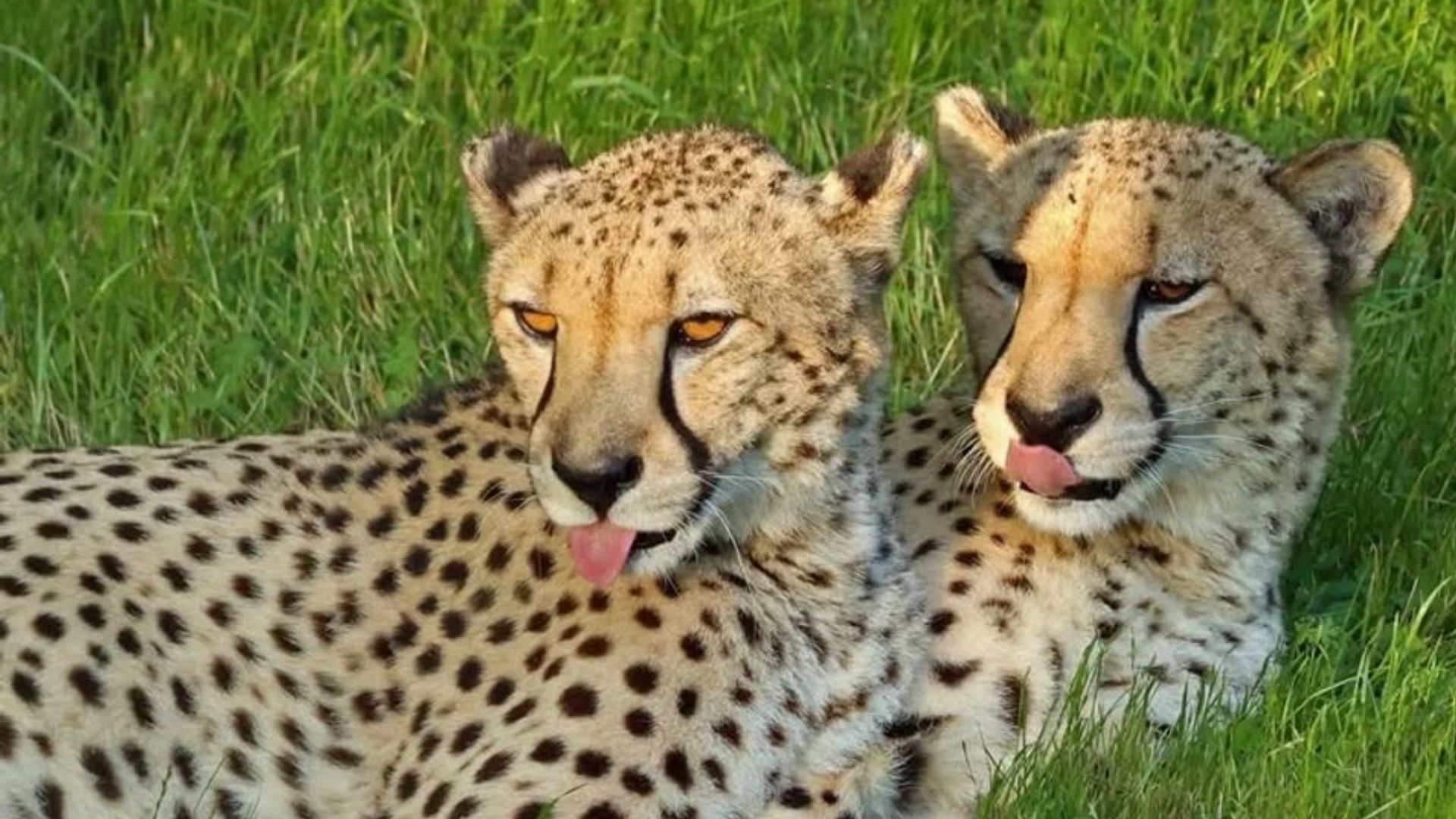
Little Rock, Arkansas – The Little Rock Zoo is going through a carefully planned transition this spring as it continues its unique role in global cheetah conservation, sending off two adult males while welcoming a new group of young arrivals.
At the center of this process are Padfoot and Prongs, two male cheetah brothers who have spent their early adult years at the zoo as part of what staff describe as a “Cheetah Boarding School.” The pair has now reached the next stage of their development and has been moved on to support breeding programs at other accredited facilities.
In their place, the zoo has introduced four younger male cheetahs, beginning their own journey through the same structured program designed to mirror natural behavior seen in the wild.
The concept behind the program is rooted in how cheetahs live outside captivity. In natural habitats, male cheetahs typically leave their mothers between 12 and 18 months of age. They often form small social groups known as coalitions, usually with brothers or unrelated males. These coalitions are important for survival, helping them hunt, defend territory, and eventually find mates as they mature.
The zoo’s “boarding school” system is built around this lifecycle. Young cheetahs are brought in during adolescence, where they are allowed time to grow, bond, and develop social behaviors in a controlled environment. After a few years, once they reach maturity, they are transferred to other accredited zoos that participate in breeding and conservation programs.
Officials say this cycle allows institutions to support not only the physical health of cheetahs but also their emotional and social development, which can be difficult to replicate in captivity without structured programs.
In a public update shared on social media, the zoo described the transition as part of a larger conservation strategy that balances individual animal care with long-term species survival. Staff emphasized that these changes are routine within the program, even if each departure and arrival carries emotional weight for keepers who work closely with the animals.
“Each transition—whether a farewell to Padfoot and Prongs or the arrival of a new group of young males—is part of a broader conservation strategy that balances the care of individual animals with the long-term needs of the species,” the zoo said. “It’s a dynamic process that allows guests to see different stages of cheetah behavior while supporting the survival of the species.”
For visitors, the change also means a shifting experience at the cheetah habitat. Guests who may have followed Padfoot and Prongs during their stay will now observe a new group of young males as they begin forming bonds and establishing early social structures within their new environment.
Zoo staff says these visible stages of growth help the public better understand cheetah behavior, while also highlighting the challenges the species faces in the wild, where populations continue to be impacted by habitat loss and other environmental pressures.
As the new cheetahs settle in, keepers will closely monitor their interactions, ensuring they form stable relationships and adjust to their surroundings. Over time, these young males are expected to follow the same path as their predecessors, eventually moving on to other institutions where they will contribute to breeding efforts.
While Padfoot and Prongs’ departure marks the end of one chapter, officials say it also represents continuity in a carefully managed conservation cycle—one that quietly repeats itself as each group of cheetahs grows, matures, and moves forward in the global effort to preserve the species.


