
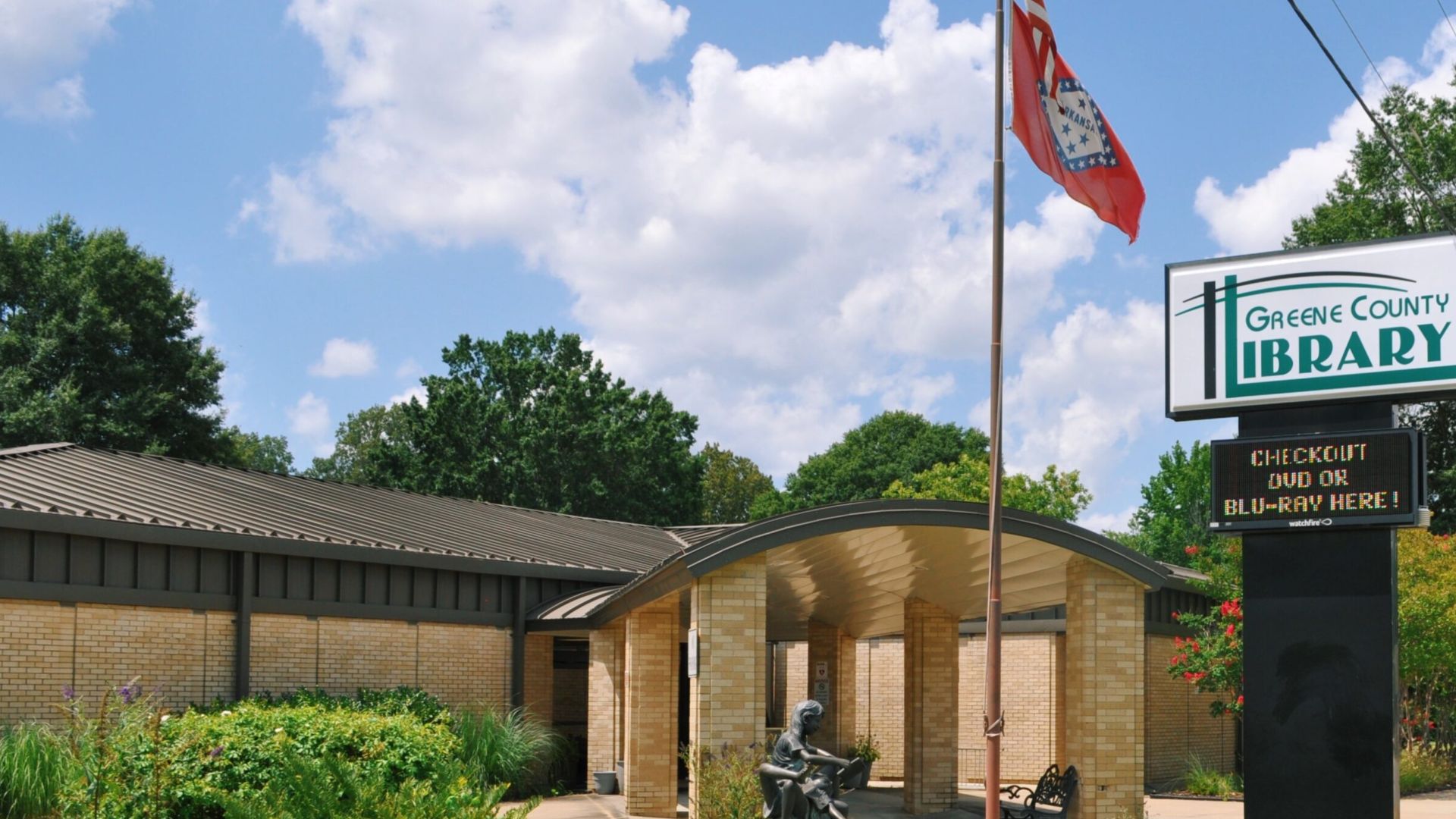
Paragould, Arkansas – The Greene County Public Library is taking a new step toward preserving local history after being awarded a $2,800 Arkansas Heritage grant to support the creation of a new Memory Lab inside its genealogy center.
The announcement was made Friday, marking a small but meaningful investment in a project designed to protect family stories, photographs, and recordings that might otherwise fade with time. The funding will be used to purchase specialized equipment that allows residents to digitize and preserve aging materials.
The upcoming Memory Lab will serve as a hands-on space where community members can bring in old VHS tapes, cassette recordings, printed photographs, and other fragile formats. With the help of new tools, these items can be converted into digital files, ensuring they are not lost as physical media continues to deteriorate.
Library officials say the project is about more than just technology. It is about memory, identity, and keeping the past accessible for future generations in Greene County and beyond.
“This grant will allow our community to have access to equipment and guidance that will help create local historical records personalized for our area from people who lived it,” said Library Director Mike Rogers. “We feel there is an urgency to this project since we are losing valuable historical data as our aging population finds their health failing or as they pass away.”
His comments reflect a growing concern among local historians and librarians: that irreplaceable pieces of personal and community history are being lost simply because there has not been an easy way to preserve them.
The Memory Lab is expected to bridge that gap by giving residents both the tools and guidance needed to safely convert old media into digital formats. Library staff will assist visitors in handling materials, many of which may be decades old and too fragile for traditional playback.
Beyond the technical side, the project is also being described as deeply personal. For many families, old recordings and photographs represent voices and faces of loved ones who are no longer present. Preserving those materials can help maintain a connection across generations.
“History is not just what we inherit—it’s what we choose to remember, restore, and share,” said Tonya Barnes, history room manager. “Through memory labs, we turn fragile fragments of the past into living stories, ensuring that voices once at risk of being lost continue to shape our future.”
Her words capture the broader purpose behind the initiative, which is to turn everyday personal items into lasting historical records. Library officials say even small collections—family photos, school recordings, or home videos—can contribute to a larger understanding of the community’s past.
While the grant amount may seem modest, library leaders say it represents an important starting point for a long-term effort. The Memory Lab is expected to become a key resource within the genealogy center, offering ongoing access to preservation tools for residents of all ages.
Once operational, the lab will allow visitors to actively participate in preserving their own histories, rather than leaving fragile materials stored away in boxes or attics where they may deteriorate over time.
For the Greene County Public Library, the project is both practical and symbolic. It combines modern technology with local storytelling, ensuring that the voices of the past are not only remembered, but also preserved in a form that can be shared far into the future.


