
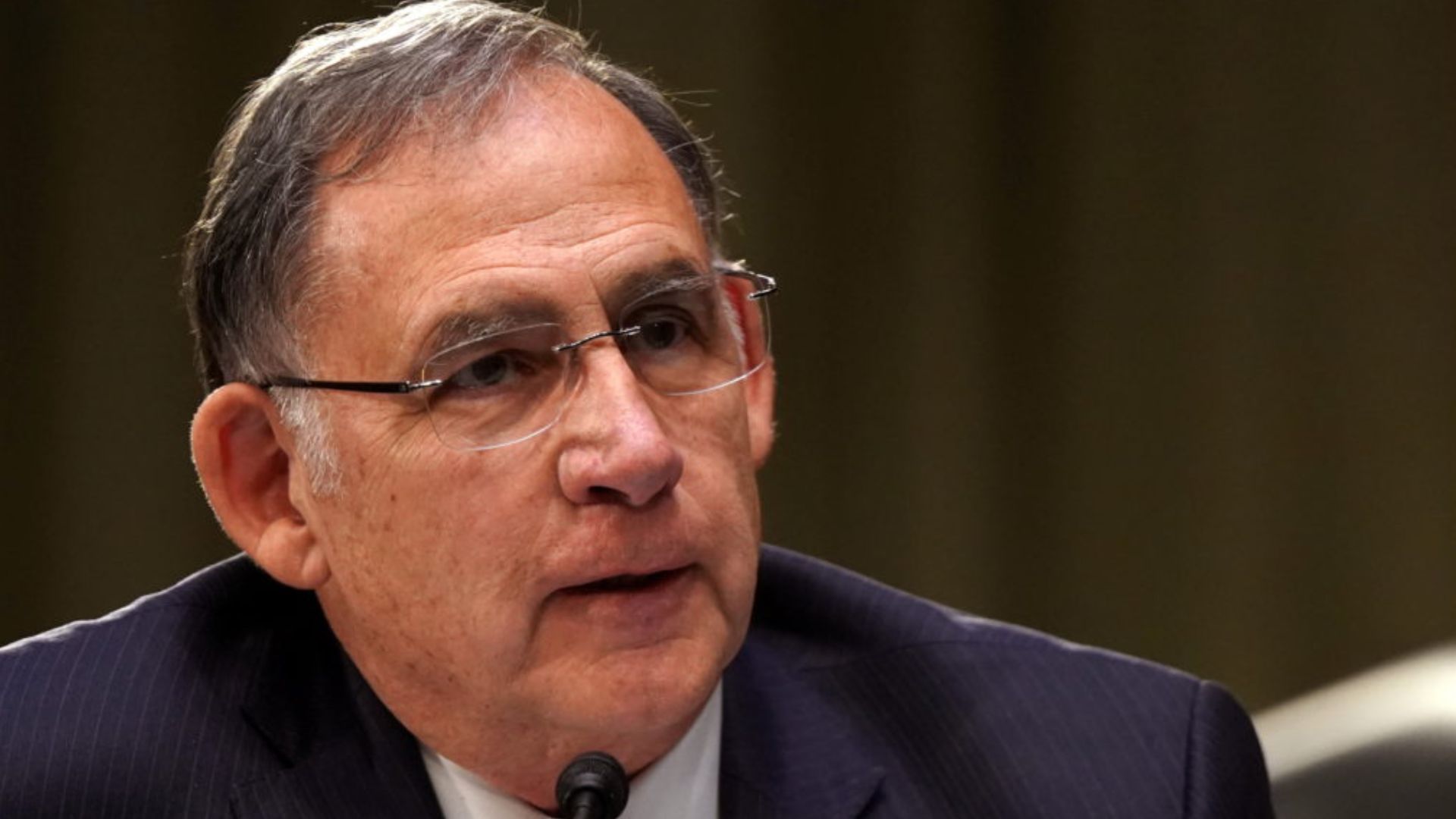
Little Rock, Arkansas – A major effort to update the nation’s farm policy has hit another setback after Sen. John Boozman’s Farm Bill 2.0 failed to advance from the Senate Agriculture Committee, putting renewed attention on the challenges facing farmers and the growing pressure to reach a bipartisan agreement.
Boozman, an Arkansas Republican who chairs the committee, had hoped the legislation would move forward after months of work on what was viewed as a bipartisan compromise. Instead, a dispute over federal penalties tied to the Supplemental Nutrition Assistance Program, commonly known as SNAP, brought the bill to a halt.
The committee rejected the measure in an 11-10 vote last week. Some Republican members were absent, giving Democrats enough votes to defeat the legislation after negotiations over the SNAP provisions broke down.
At the center of the disagreement is a provision created by the One Big Beautiful Bill that imposes financial penalties on states with SNAP payment error rates above 6 percent. Those errors can involve benefits being overpaid or underpaid.
Arkansas is among the states above that threshold, with an error rate of more than 8 percent. If the state does not reduce its error rate before the penalties take effect, Arkansas could eventually be required to cover 10 percent of its SNAP benefits that would otherwise be paid by the federal government.
That could amount to about $55 million a year for Arkansas until the state brings its error rate into compliance.
Boozman defended the effort to address the SNAP errors while emphasizing that he supports the program itself.
“The SNAP program is really important. I’ve worked hard to protect it…it doles out probably about $100 billion a year…10 percent of that is in error. And so, all we’re saying is, you know, let’s take that $10 billion that is going to people that don’t deserve it. Let’s get it. And then then we’ll have the ability to give more to those that truly do deserve it,” Boozman said.
The timing of the penalties became the sticking point in negotiations. For most states affected by the new rules, the penalties are scheduled to begin in October next year. States with especially high error rates of more than 13 percent have already received longer delays, with some having until 2028 or 2029 to comply.
Democrats on the Agriculture Committee wanted similar additional time for other states. They pushed for a two-year delay in the penalties to be included in the farm bill.
Boozman offered a one-year delay as a compromise, but Democrats did not agree to the proposal. With several Republicans missing from the committee meeting, the disagreement ultimately resulted in the bill’s defeat.
“Democrats refused to compromise. And that’s where we’re at. Again, holding the farmers hostage, which have nothing to do with this. They don’t have anything to do with error rates,” Boozman said.
The failure comes at a particularly difficult moment for the agriculture industry. The Farm Bill is the federal government’s central framework for agricultural and food policy, but the current version is outdated. Many programs that provide subsidies and loans to farmers are still based on commodity prices from 2012.
Those figures no longer reflect the economic reality facing farmers after years of inflation and rising costs.
For Arkansas producers already struggling with the ongoing farm crisis, the delay is more than a political inconvenience. Farm advocates and lawmakers have been pushing for updated support as farmers deal with financial pressure and, in some cases, face the possibility of bankruptcy.
The Senate Agriculture Committee’s failure to advance the bill does not necessarily end the effort. Boozman chose to recess the committee rather than formally adjourn it, leaving the door open for another vote when senators return to Washington in September.
That move was deliberate. Boozman wants the committee to be able to reconvene quickly and take another look at the legislation rather than starting the process over.
He said he hopes the break will give lawmakers time to hear from farmers and state officials in their home states and reconsider their positions.
“Hopefully, as these people have gone home, talked to their states, talked to their farmers, that they’ll have a different attitude and that we can get this thing passed…And if we’re not, then the danger is we’re going to run out of time because we’ll only be there about three weeks. We’ll break for the election, come back in mid-November, and then you’re running into serious time problems before the first of the year,” Boozman said.
The schedule leaves lawmakers with a narrow window. When the Senate returns in September, members will have roughly three weeks before leaving Washington for the November election. They are expected to return in mid-November, leaving only a limited period before the end of the year.
That deadline is important because farm programs and other agricultural policies cannot remain in limbo indefinitely. The longer Congress waits, the more difficult it could become to pass a new bill before the current legislative calendar runs out.
There had been hopes that Congress could approve a new farm bill and potentially have it signed into law before the midterm elections in November. The latest defeat makes that goal far more difficult.
For Boozman, the immediate priority is getting the Agriculture Committee back to the negotiating table. The senator has continued to argue that farmers should not be caught in a dispute over SNAP policy, particularly when agricultural producers are already facing serious financial challenges.
The next opportunity will come when lawmakers return in September. Whether Democrats and Republicans can find common ground on the SNAP penalty issue could determine whether the Farm Bill 2.0 finally moves forward or remains stalled as the clock continues to run.


