
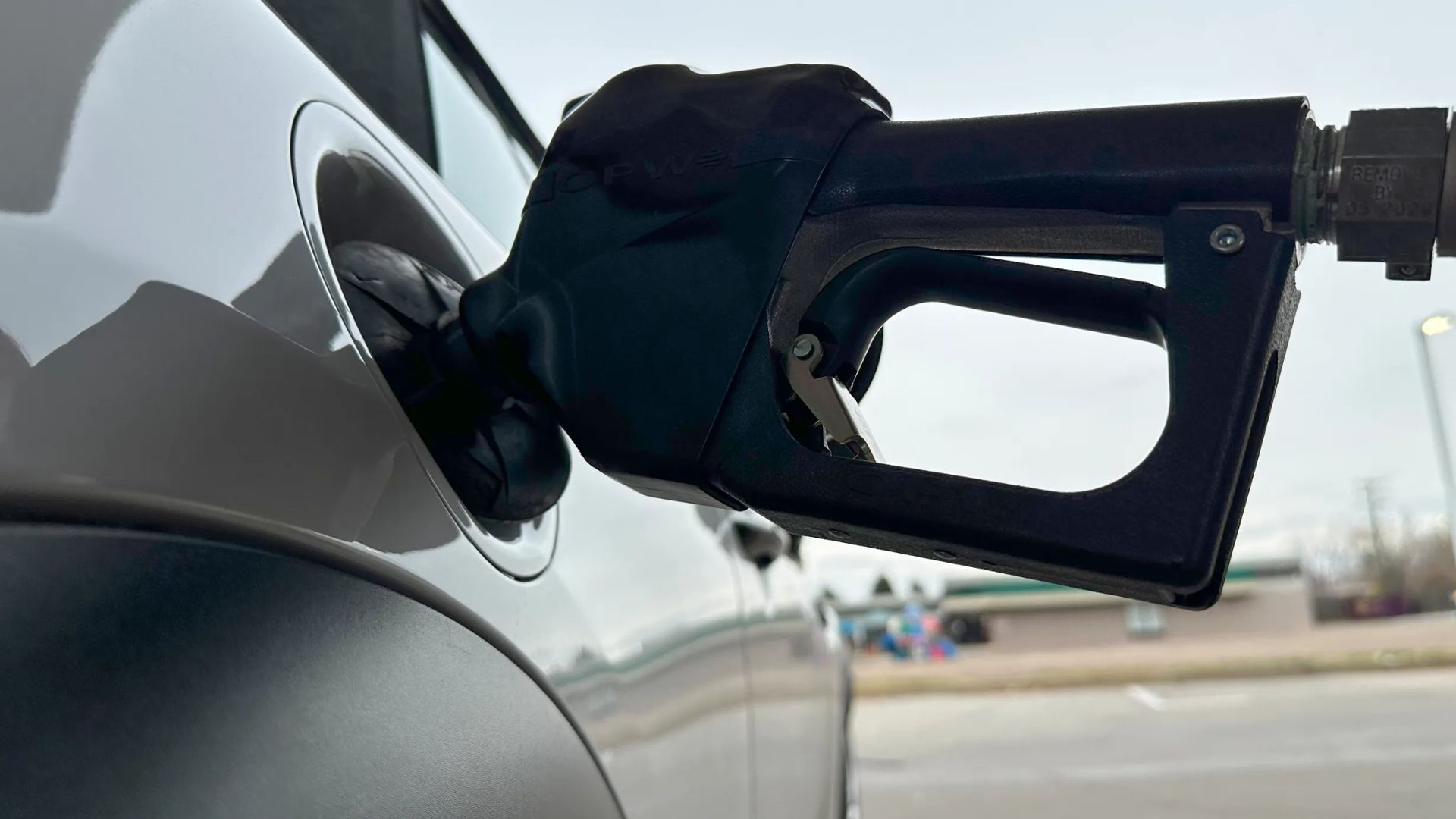
Arkansas – Drivers across Arkansas are getting some welcome relief at the gas pump as prices continue to slide heading into the new year, offering a small but noticeable break for households navigating the ongoing costs of living. Recent data suggests the downward trend that began late last year is holding steady, with no immediate signs of a sharp reversal.
According to a weekly survey conducted by GasBuddy, average gasoline prices in Arkansas dropped by 2 cents per gallon over the past week, bringing the statewide average to $2.33 per gallon. The decline adds to a broader pattern that has been building momentum over the last several weeks, as fuel costs steadily ease across much of the state.
“Prices in Arkansas are 20.3 cents per gallon lower than a month ago and stand 27 cents per gallon lower than a year ago,” the report said. For many drivers, that difference is adding up, especially for those who rely on daily commutes or travel frequently for work.
Prices still vary depending on location. GasBuddy reported that the cheapest gas in Arkansas was found at $2.06 per gallon, while the most expensive price reported reached $2.99 per gallon. The spread highlights how local market conditions, station competition, and transportation costs continue to shape what drivers pay from town to town.
Industry analysts say the drop is being driven by strong refinery production and growing fuel supplies nationwide. “With refineries running at seasonally high output and gasoline inventories building, most states, outside of price-cycling markets, have continued to see declines, with some stations in nearly a dozen states now dipping below the $2-per-gallon mark,” Patrick De Haan, head of petroleum analysis at GasBuddy, said. “That trend could persist a bit longer before prices finally bottom out sometime in January or February.”
Nationally, the pattern looks similar. The average price of gasoline across the United States fell by 4 cents per gallon last week, settling at $2.75 per gallon. While Arkansas remains well below the national average, experts caution that prices can still fluctuate depending on weather events, refinery maintenance schedules, and shifts in crude oil markets.
Read also: City of Mayflower names William E Will Biswell II as new Fire Chief following nationwide searchFor now, motorists are enjoying the lower prices as winter settles in and travel typically slows. Analysts note that reduced demand during colder months often contributes to falling prices, especially when paired with strong supply levels. However, they also emphasize that seasonal trends can change quickly.
As January unfolds, drivers are encouraged to stay alert to local price movements and plan fuel purchases accordingly. While no one can predict exactly when prices will reach their lowest point, current conditions suggest the relief at the pump may last a little while longer before the market finds its floor later in the winter.


