
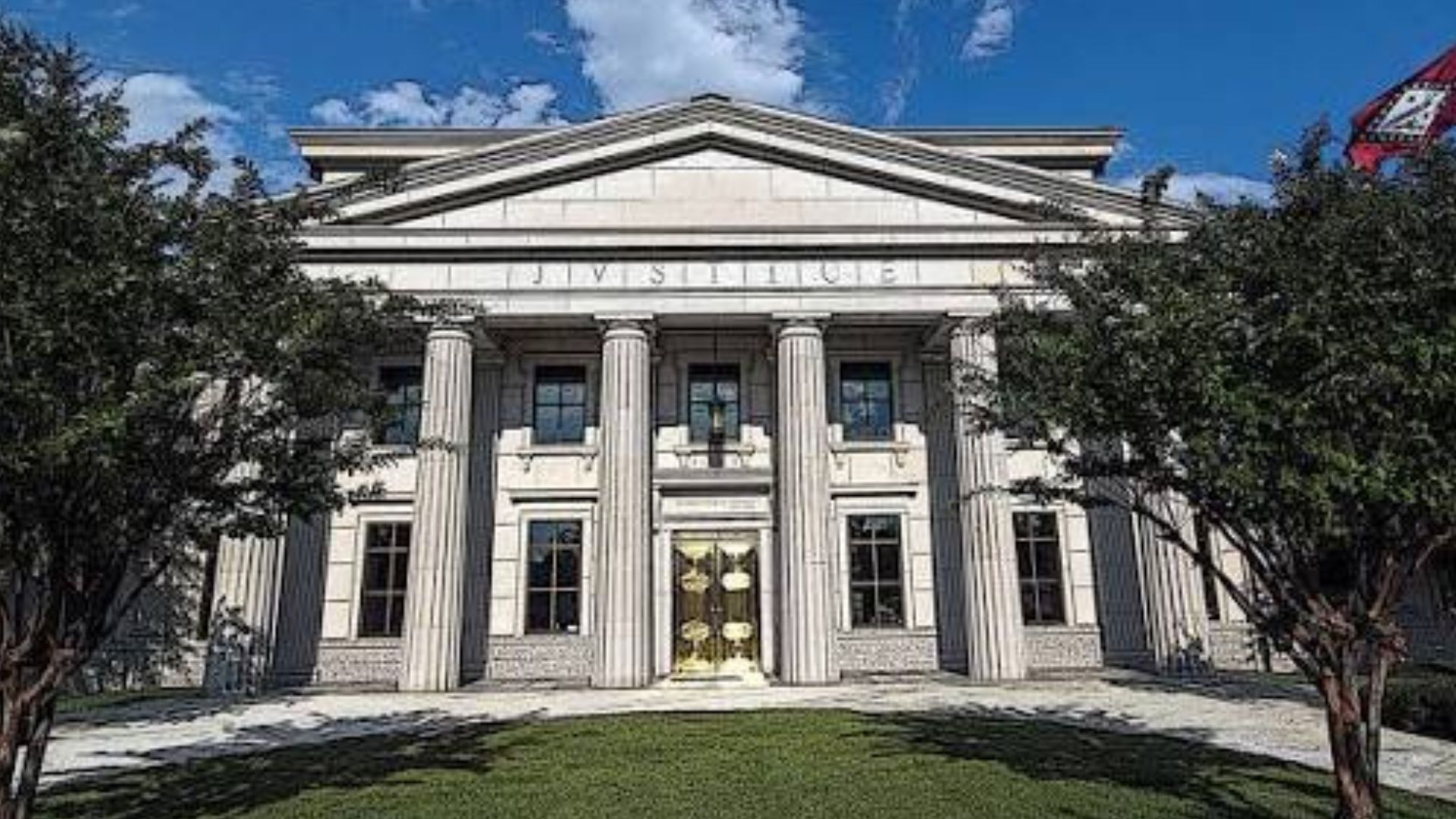
Little Rock, Arkansas – The group behind an effort to place the Arkansas Ballot Rights Amendment on the November ballot is asking the Arkansas Supreme Court to allow it to join an ongoing legal challenge over rejected petition signatures.
Protect AR Rights, or PAR, filed its request today in a case that was initially brought by seven individuals seeking to overturn Secretary of State Cole Jester’s decision to reject enough petition signatures to keep the proposed constitutional amendment off the ballot.
PAR was responsible for circulating the petitions supporting the amendment. The group submitted 108,837 signatures on July 3, the deadline for turning them in. Arkansas requires 90,704 valid signatures for the measure to qualify for the ballot.
Jester’s office determined that the required number of valid signatures had not been reached. Among the reasons cited for rejecting signatures were improper titles appearing on some petition pages, duplicate signatures and instances in which signers were accused of “illegally signing multiple times.”
Read also: Arkansas cyclosporiasis cases rise to 252 as new counties are added to state health map
The legal dispute now centers on whether some of the signatures rejected by the secretary should have been counted.
The original lawsuit asks the court to order Jester to verify and count signatures that were denied. Protect AR Rights is now seeking permission to intervene directly in the case, arguing that the group has a significant interest in the outcome because it was responsible for the petition campaign.
In its filing, PAR says it was unable to fully examine the reasons behind the secretary’s rejection of the signatures because of “missing items” in the information returned to the group after the signatures were rejected.
Despite that limitation, the organization says its own review indicates that thousands of signatures should have been accepted.
Protect AR Rights maintains that at least 4,677 signatures should have been verified by the secretary. The group goes further, arguing that at least 99,720 signatures were ultimately verifiable.
If that figure is accepted, it would put the petition effort above the 90,704-signature requirement by more than 9,000 signatures.
The group is also challenging the way it says Arkansas law was interpreted during the review of the petitions. In its filing, PAR maintains that Jester misinterpreted state law and acted “in minimus,” a legal term meaning “negligible” or “trifling,” essentially too small to worry about.
The secretary’s office is defending its handling of the petition process and said it remains confident in the legal position being taken on the case.
A spokesperson for Secretary Jester’s office said: “Our commitment to the law remains the same. Arkansas is No. 1 in the country for free and fair elections because we focus on integrity and the rule of law. We remain confident in the Office of Attorney General and their excellent representation in this matter.”
The dispute puts the Arkansas Supreme Court in a position to consider arguments over how the rejected signatures were reviewed and whether enough signatures should ultimately be counted for the proposed amendment.
At the heart of the case is a basic but important question for the petition campaign — whether the signatures that were rejected should remain excluded or whether some of them should be verified and added to the total.
Protect AR Rights says the difference is significant. Its filing argues that the number of signatures that could be verified was already above the threshold required for ballot access.
The group’s request to intervene does not itself put the amendment on the November ballot. Instead, it asks the Supreme Court to allow PAR to participate in the existing lawsuit as the legal fight over the signatures continues.
The court will ultimately have to consider the arguments surrounding the secretary’s review and the signatures that were not counted. Until that process is resolved, the fate of the Arkansas Ballot Rights Amendment remains tied to the outcome of the petition dispute.


