
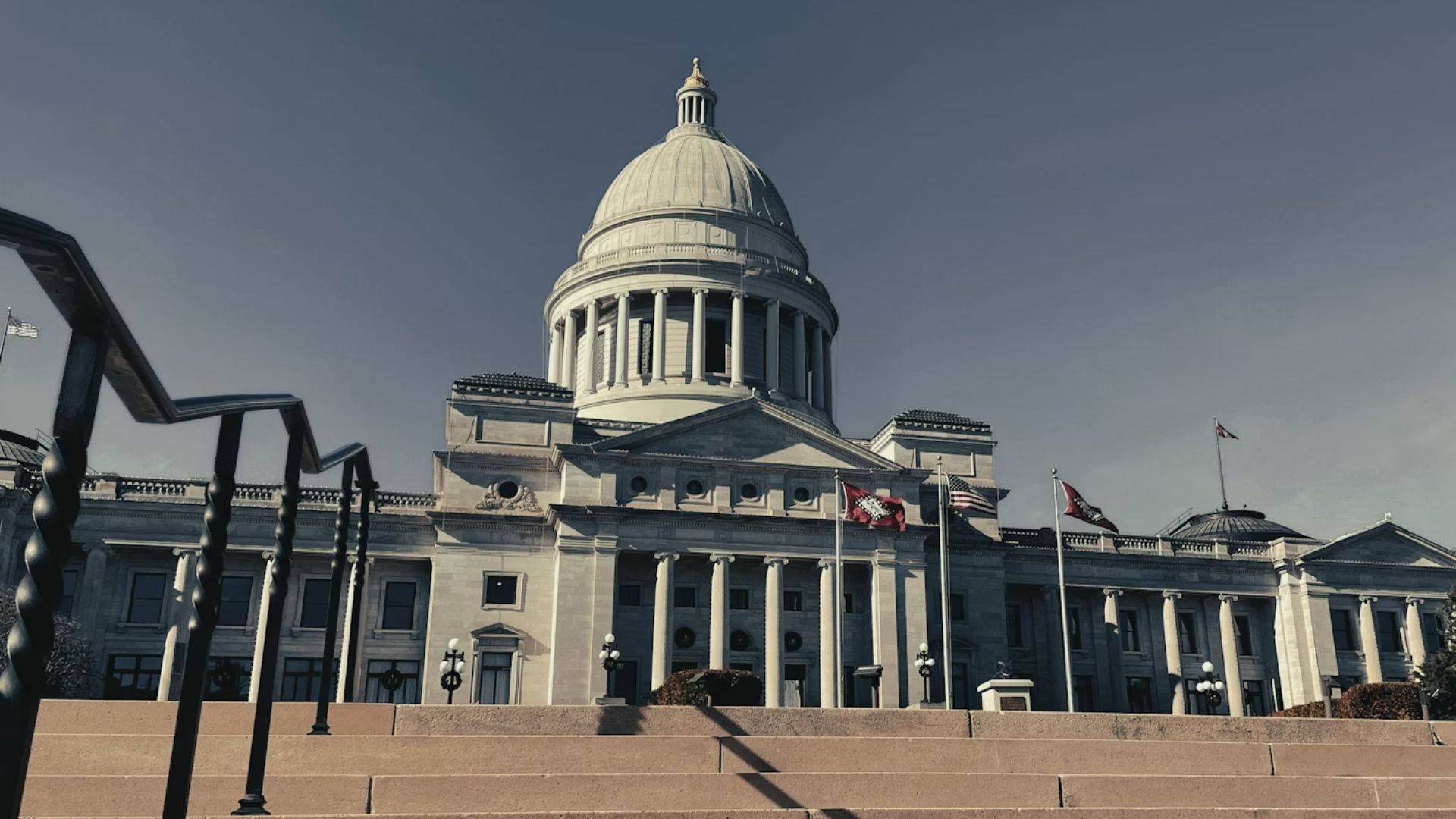
Little Rock, Arkansas – In a landmark decision on Tuesday, a federal judge declared that the 10 Commandments monument located at the Arkansas Capitol is unconstitutional, setting off renewed debate over the intersection of religion and government in the state. Judge Kristine G. Baker, of the Eastern District of Arkansas Federal Court, ruled that the monument violated the First Amendment’s Establishment Clause, which prohibits government endorsement of religion.
The ruling also addressed two state laws tied to the display of the monument. Baker found that the Ten Commandments Monument Display Act of 2015, also known as Act 1231, and Act 274 of 2017, which prohibited the erection of any monument at the Capitol without legislative approval, violated the Equal Protection Clause of the 14th Amendment. Act 274 had been passed amid controversy when the Satanic Temple sought to place a monument depicting Baphomet, a goat-headed deity, at the Capitol.
Under the court’s order, Secretary of State Cole Jester is required to remove the monument immediately. However, the removal is on hold as the state plans to appeal the decision to the U.S. Court of Appeals. Legal teams are preparing briefs, and the final outcome could take months or even years to resolve, leaving the monument’s fate uncertain.
A spokesperson for Attorney General Tim Griffin stated, “We are reviewing the decision and considering our options.” Meanwhile, Secretary of State Jester defended the historical and legal significance of the monument, saying, “The Ten Commandments are foundational to Western civilization and the history of law in Arkansas. We are working closely with the Attorney General’s Office to protect this critical part of the Capitol in the courts.”
This ruling follows closely on the heels of another federal order in March requiring the removal of 10 Commandments displays from Arkansas classrooms. Both decisions have sparked discussions among lawmakers, religious groups, and civil liberties advocates about the role of religious symbols on public property. Supporters of the monument argue that it represents a historical and cultural tradition rather than a religious endorsement, while critics insist that government spaces should remain secular to uphold constitutional protections.
Legal experts note that the case could have implications beyond Arkansas. Similar disputes over religious monuments have been fought in courts nationwide, often reaching appellate courts and sometimes the U.S. Supreme Court. Baker’s decision, in particular, highlights the tension between state legislation attempting to preserve historical symbols and the constitutional mandate to maintain government neutrality in religious matters.
For now, the monument remains in place, suspended by the appeal process, while lawyers for both sides prepare for further litigation. The debate over the monument reflects broader national questions about religious freedom, government endorsement, and the role of tradition in public spaces, issues likely to continue stirring controversy across the state.


