
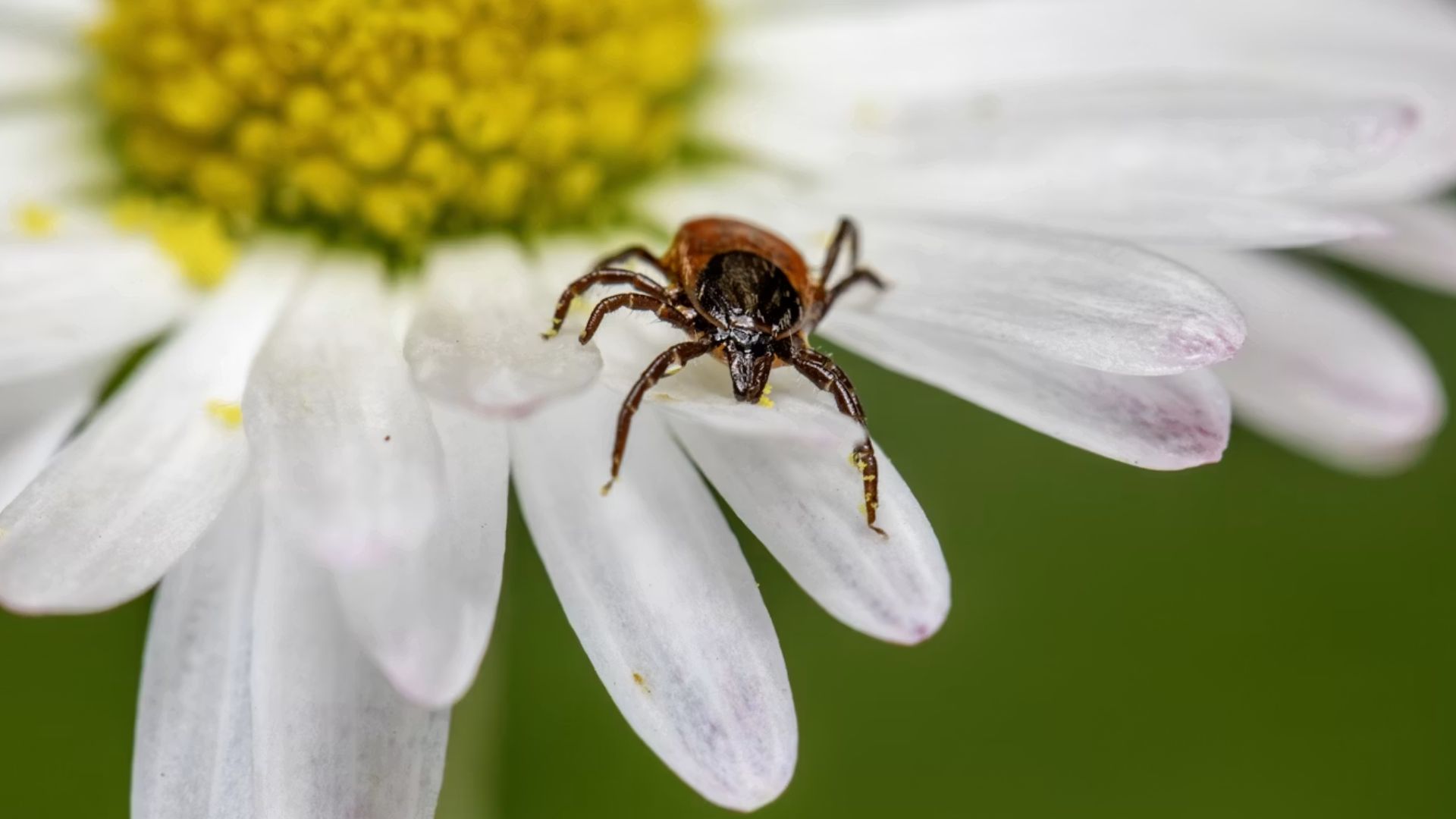
Jonesboro, Arkansas – As temperatures climb and people spend more time outdoors, healthcare providers are reporting more than the usual seasonal concerns. Along with heat exhaustion, dehydration and minor injuries, doctors are also treating a growing number of illnesses linked to tick bites, including a condition that can permanently change a person’s diet.
Medical professionals in northeast Arkansas say one of the conditions drawing increased attention this summer is Alpha-gal syndrome, a food allergy triggered by the bite of a Lone Star tick. Unlike many other tick-related illnesses, the syndrome does not cause an infection. Instead, it can lead the body’s immune system to react to meat from mammals.
Dr. James Fletcher, an urgent care physician at St. Bernards, said tick-related illnesses continue to outnumber those spread by mosquitoes during the warmer months. While diseases such as Lyme disease often receive more public attention, he said Alpha-gal syndrome has become increasingly common in the area.
“Alpha-gal syndrome — the Lone Star tick is the vector. Alpha-gal isn’t a bacterial illness like Lyme disease or spotted fever. It’s an induced food allergy where people become allergic to mammal meat,” Fletcher said.
Because the symptoms do not always appear immediately after a tick bite, many people may not realize what is causing their health problems. Fletcher explained that patients often begin experiencing digestive issues or develop hives after eating beef, pork or other mammal meat before discovering the allergy is connected to an earlier tick bite.
Doctors say identifying the condition can be challenging, especially for people who have never experienced food allergies before. As a result, patients may not seek medical care until symptoms become more frequent or severe.
According to Fletcher, the number of Alpha-gal syndrome cases has continued to grow in recent years. He said the condition is especially common across the region, where Lone Star ticks are frequently found, and he has noticed more patients being diagnosed each year.
With outdoor activities increasing during the summer, healthcare providers encourage people to take precautions against tick bites by wearing protective clothing, using insect repellent and checking themselves for ticks after spending time in wooded or grassy areas. Early awareness of unusual symptoms following a tick bite can help patients receive the appropriate evaluation and better understand changes they may need to make to their diet.


