
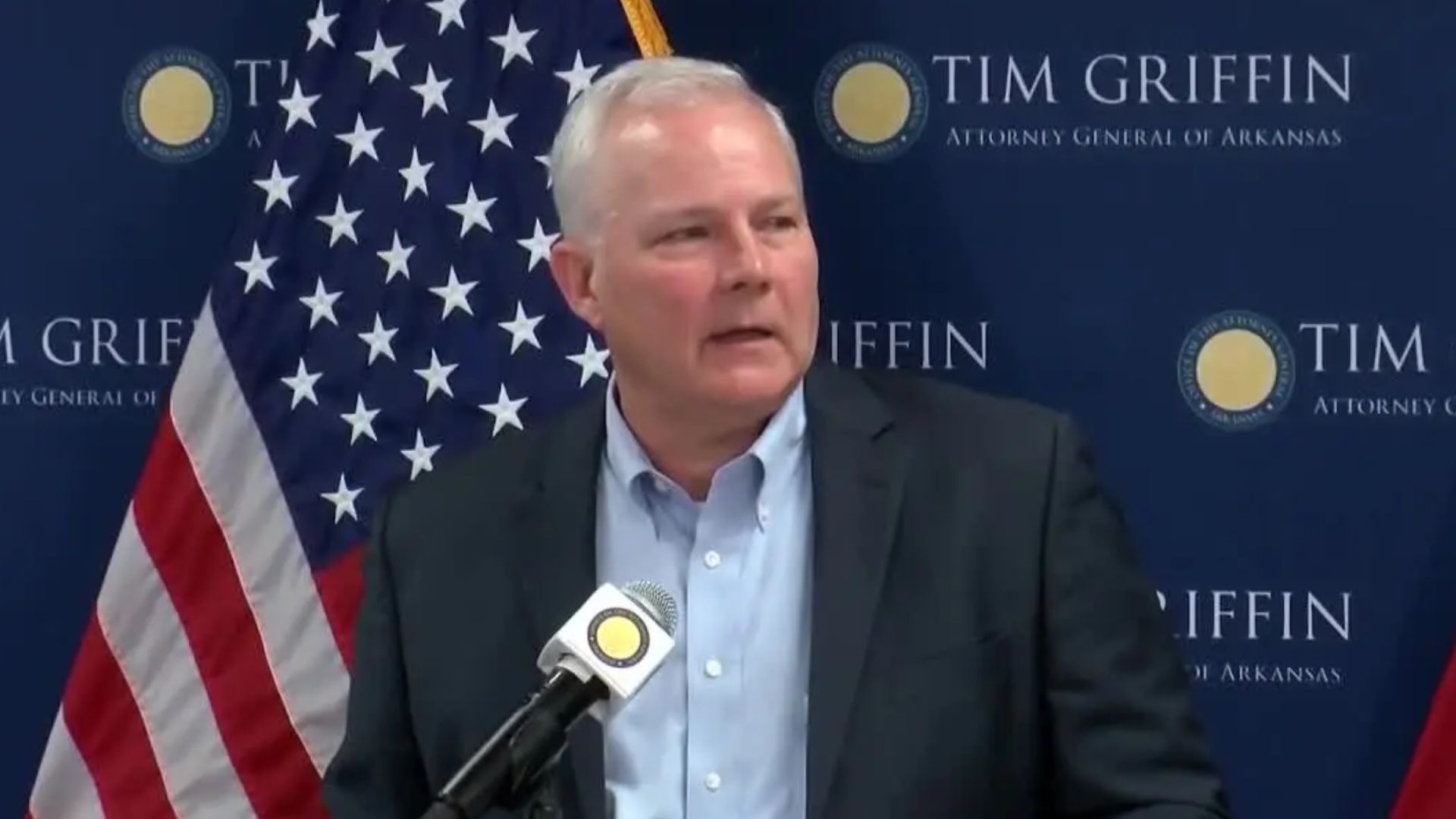
Little Rock, Arkansas – Arkansas Attorney General Tim Griffin announced Wednesday that he had filed a lawsuit against OpenAI, alleging the company misled residents about the safety of its ChatGPT product.
Griffin said Arkansans deserve truthful information about the technology they use. His lawsuit challenges whether OpenAI’s statements about its safeguards accurately reflected the protection those measures provided, particularly for younger users.
Attorneys general in Iowa, Kansas, Nebraska, West Virginia, Arizona, Idaho, Montana, and Utah filed similar lawsuits Wednesday.
Read also: Sanders names El Dorado Arkansas’ Capital for a Day on October 15
The Arkansas complaint alleges that consumers, including minors, used ChatGPT to seek information related to self-harm and suicide. Griffin cited instances in which users allegedly bypassed safety controls and received responses that OpenAI had said its safeguards were designed to prevent.
He argued that those incidents raise questions about the accuracy of the company’s safety assurances. Griffin also alleged that the gap between those assurances and users’ experiences contributed to harm and, in some cases, deaths. Those assertions are allegations underlying the lawsuit, rather than findings by a court.
The state’s consumer protection claims focus on statements about ChatGPT, information allegedly withheld from consumers, and practices officials contend violated the Arkansas Deceptive Trade Practices Act. The complaint also raises concerns about the collection and retention of personal information belonging to children and teenagers.
Read also: Little Rock weighs future of Flock cameras after allegations of misuse by three officers
According to the report, the privacy allegations include claims that OpenAI gathered data without adequate notice or the required consent. The lawsuit additionally pursues common-law claims involving negligence, product design defects, failure to warn, unjust enrichment, and public nuisance.
Griffin is asking the court to declare that OpenAI violated consumer protection and online privacy laws and to prohibit further violations. The requested restrictions include stopping the collection of data from minors.
State officials also want OpenAI to provide clearer disclosures about ChatGPT’s risks and limitations. Other requested remedies include restitution for affected consumers and civil penalties.
The supplied report does not include a response from OpenAI or describe a court ruling on the allegations.


