
Jonesboro, Arkansas – A retired agricultural educator in Northeast Arkansas is questioning whether President Donald Trump’s plan to temporarily suspend beef tariffs will have much impact on prices at grocery stores, saying the 90-day window does little to address the deeper supply problems facing the U.S. cattle industry.
Trump announced the plan Friday in a post on Truth Social. Under the proposal, beef tariffs would be paused for 90 days while allowing as much as 300,000 metric tons of ground beef to enter the United States.
Trump said the plan would help lower meat prices for American consumers while giving domestic cattle herds time to recover. He also claimed there was a “commitment that this beef will be sold at 25% below current market prices.”
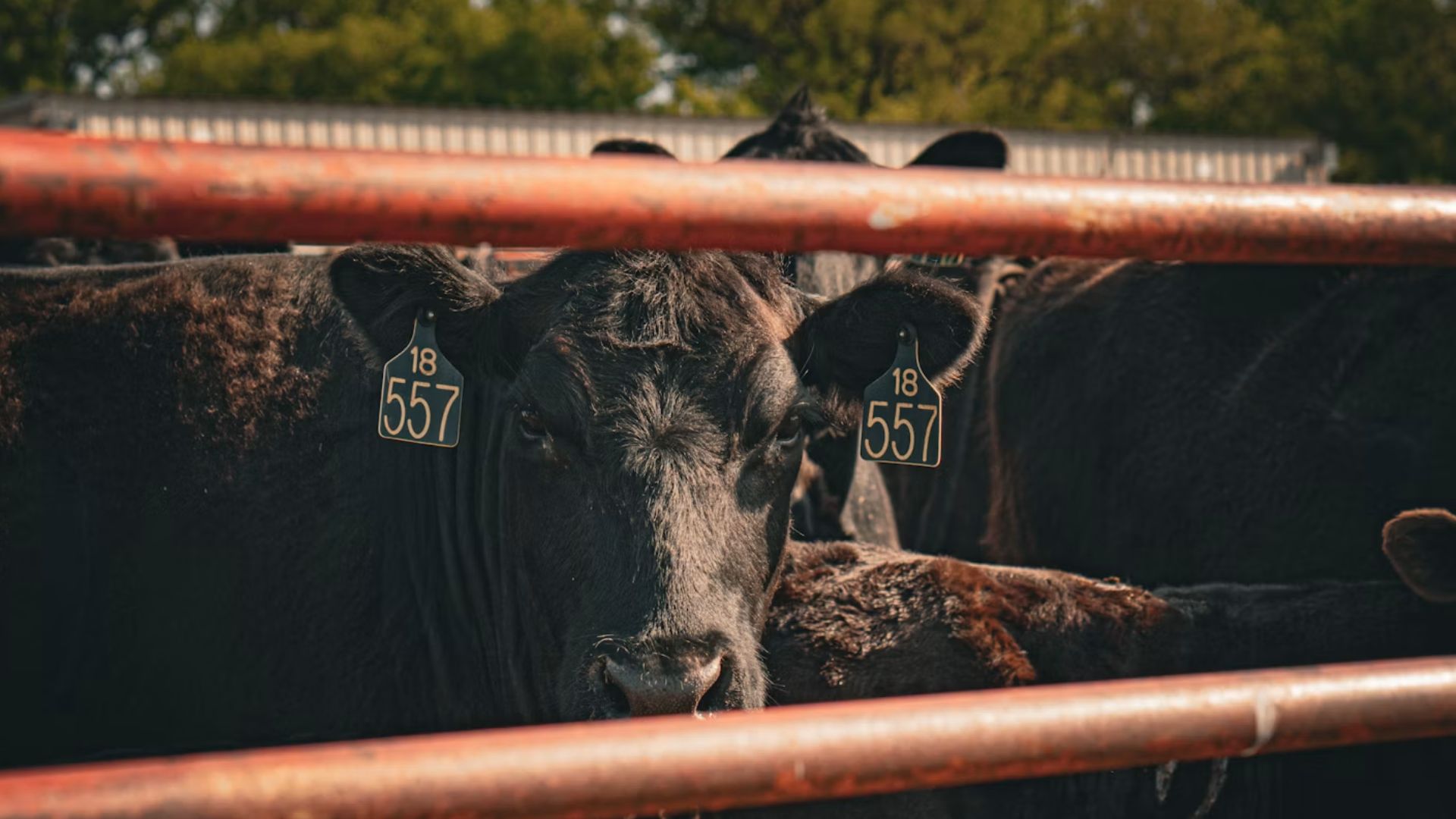
The proposal comes as the number of cattle in the United States has fallen to a 50-year low. The reduced herd has put pressure on beef supplies and contributed to concerns about higher prices.
For Homer Linderman, president of the NEA Cattlemen’s Association and a retired agricultural educator, the size of the proposed imports is not large enough to make a major difference.
Linderman said the 300,000 metric tons of beef represents roughly 2% of annual domestic beef consumption. In his view, that amount is unlikely to significantly change what shoppers pay.
“This two percent of the total meat that he is looking at importing is going to have minimal effect for the consumer,” Linderman said. “I really don’t think they will see any effect or any change in pricing at the store.”
His concerns go beyond the amount of beef that could be imported. Linderman also pointed to the long timeline involved in rebuilding the nation’s cattle supply.
Raising cattle is not a process that can quickly respond to a short-term change in the market. Even if ranchers decide to increase production, it takes years before those additional animals are ready to become part of the food supply.
“From the time of birth, when a calf is born, it’s normally from 24 to 30 months before that calf actually enters the food chain,” Linderman said.
That timeline means a 90-day suspension of tariffs would not solve the underlying supply shortage, according to Linderman. Even if cattle producers begin rebuilding their herds now, the effects would take considerably longer to reach consumers.
The administration’s proposal is intended to provide lower-cost beef in the short term while allowing U.S. cattle producers time to rebuild herds that have declined sharply. However, the nation’s cattle inventory has been affected by longer-term conditions, making the industry’s supply situation more complicated than simply increasing imports for a few months.
The proposed 300,000 metric tons of ground beef would provide additional supplies during the temporary suspension. Supporters of the plan say increased imports could put downward pressure on prices and offer relief to consumers who have faced higher beef costs.
Linderman remains skeptical that consumers will notice a meaningful change at the checkout counter, given the relatively small share of total U.S. consumption represented by the proposed imports.
At the same time, the cattle industry faces a basic production challenge. Increasing the number of cattle available for slaughter requires ranchers to make decisions years ahead of when the animals will ultimately reach the food chain.
The timing of the proposed tariff suspension also remains unclear. The White House has not announced an exact date when the 90-day suspension would begin.
Until the administration provides more details, questions remain about how the plan will be implemented, how much imported beef will actually reach American consumers and whether the lower prices promised by the administration will materialize.
For agricultural producers in Northeast Arkansas, the debate comes as the cattle industry continues to deal with historically low herd numbers. Linderman’s comments reflect a concern that short-term imports may offer only limited relief while leaving the longer process of rebuilding America’s cattle supply largely unchanged.
The proposal therefore faces a basic test of timing. A three-month policy may increase the amount of beef available in the market temporarily, but cattle production operates on a much longer schedule.
As the administration works to finalize its plan, consumers will be watching for signs of lower beef prices, while cattle producers will continue facing the longer-term challenge of rebuilding herds.
For Linderman, the central issue is simple. More beef can potentially reach the market quickly through imports, but rebuilding the domestic supply requires considerably more time. With cattle taking roughly two years or more to reach the food chain from birth, the effects of decisions made today will not be felt immediately.


