
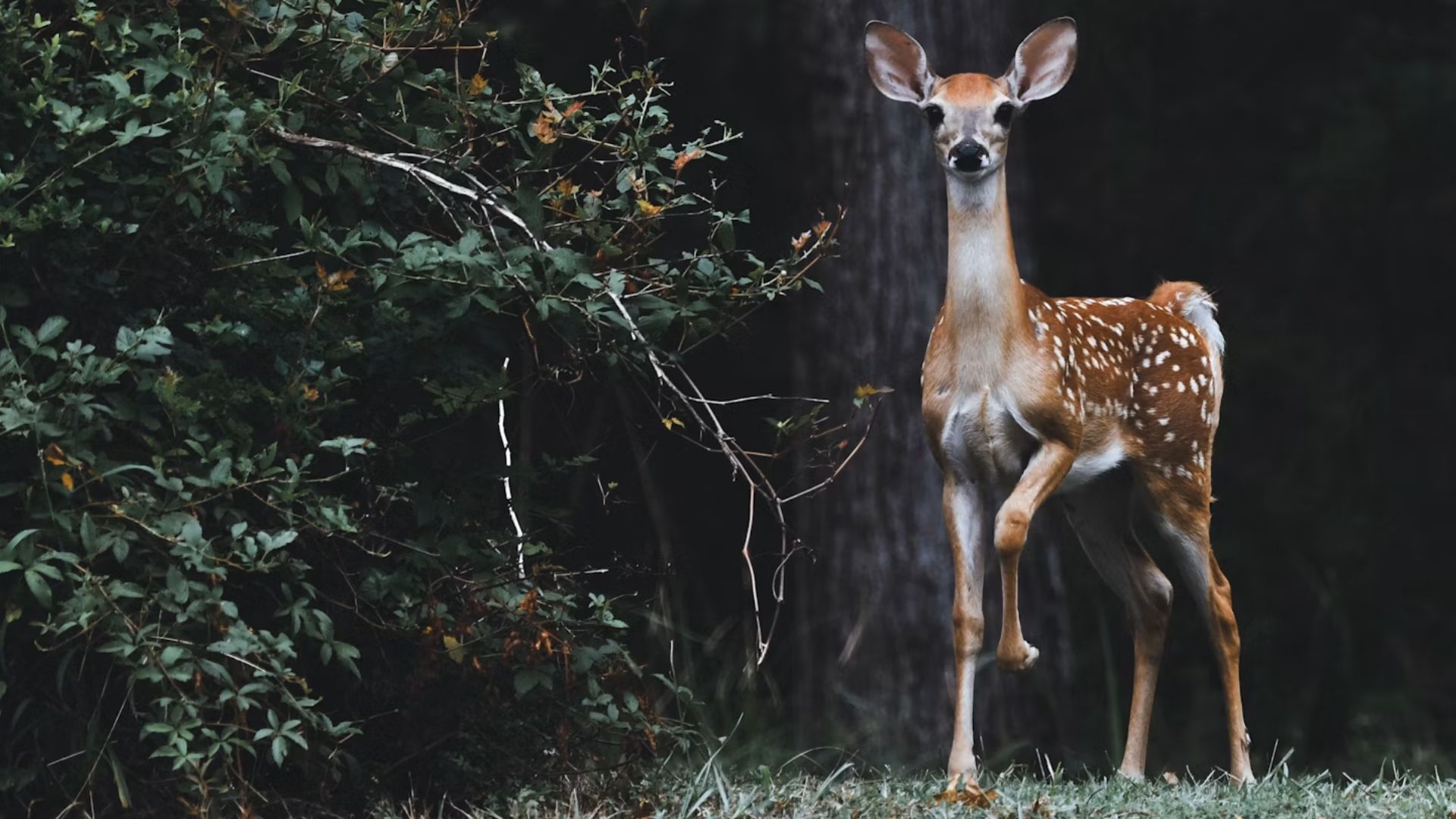
Little Rock, Arkansas – The Arkansas Game and Fish Commission is reminding residents to avoid treating wild deer and other wildlife on their own, warning that attempts to provide medication without professional guidance could create additional problems for animals and the environment.
The agency is asking anyone who notices wildlife showing signs of disease, parasite infestations, or unusual health concerns to report the situation to the AGFC Wildlife Health Hotline instead of trying to administer treatments designed for livestock.
Officials said wild animals are often capable of living with normal levels of parasites and that seeing parasites does not always mean an animal requires human intervention. However, unusually heavy infestations may be a sign that the animal is experiencing a larger health issue or that there may be concerns affecting its habitat.
State wildlife veterinarian Dr. Catherine Love said reporting possible problems is the best way for wildlife experts to evaluate the situation and determine whether action is needed.
“Reporting it to the AGFC’s Wildlife Health line or a local Private Land Habitat Biologist is the best first step,” Love said.
The warning comes as wildlife agencies continue monitoring concerns related to New World screwworm, a parasitic fly that was detected in south Texas in June. The parasite can affect warm-blooded animals by laying eggs in open wounds. After hatching, the larvae feed on living tissue, which can lead to serious injuries and, in some cases, death.
According to the U.S. Department of Agriculture, 33 cases of New World screwworm had been confirmed as of July 9. Thirty-two of those cases were reported in Texas and one in New Mexico. Officials said all confirmed cases involved domestic animals, and no cases have been confirmed in Arkansas or in wild animals.
While the parasite remains a concern, AGFC officials said residents should not attempt to prevent or treat possible infections by giving wild deer medications intended for farm animals.
Love explained that treating free-ranging wildlife is difficult because there is no way to control how much medication an individual animal receives. Unlike livestock, wild animals move freely and may not consume the correct amount needed for treatment.
Officials also warned that improper dosing can create additional risks. If parasites are exposed to insufficient amounts of medication, they may survive and potentially develop resistance to future treatments.
In addition, using livestock medications on wild animals may violate federal regulations because many of these products are not approved for use in wildlife.
The AGFC said residents who encounter wildlife showing concerning symptoms should contact the agency rather than attempting to intervene. Signs that should be reported include wounds that do not appear to heal, visible maggots, unpleasant-smelling wounds, unusual tiredness, or other signs that an animal is experiencing serious distress.
Wildlife experts said reporting these observations helps biologists collect important information about animal health across the state. Those reports can help determine whether a problem is isolated or whether additional monitoring may be needed.
Residents can report suspected wildlife health issues by contacting the AGFC Wildlife Health Hotline through email at [email protected].
The agency emphasized that the best way for the public to help wildlife is through observation and reporting, allowing trained professionals to assess situations and respond appropriately.
By avoiding unauthorized treatments and sharing information with wildlife officials, Arkansans can help protect deer populations and other wildlife while supporting efforts to monitor emerging diseases and environmental health concerns.


