
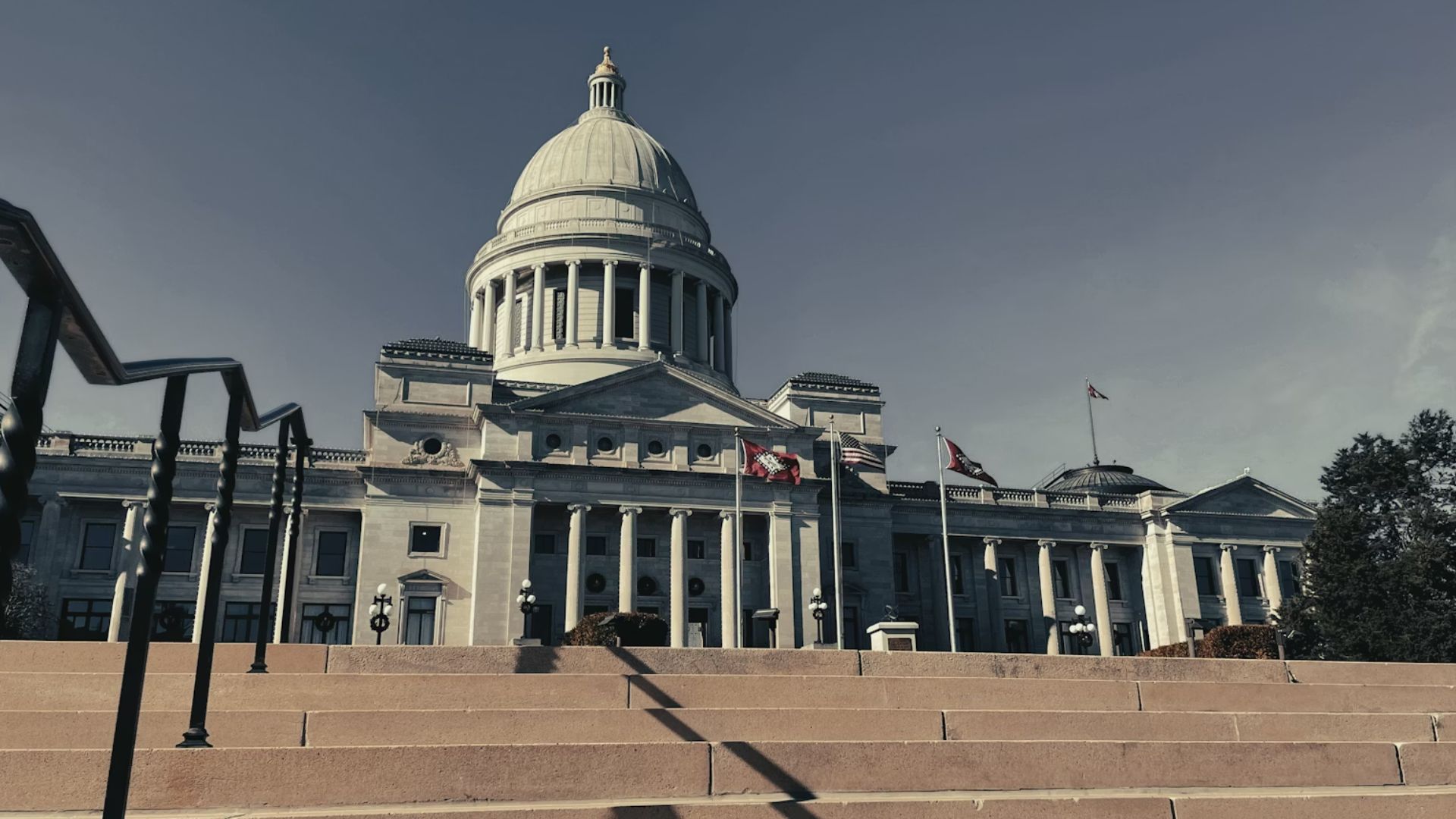
Little Rock, Arkansas – A newly proposed law in Arkansas is stirring debate and as lawmakers revisit a controversial idea that has lingered for more than a decade. The measure, framed by supporters as a way to prevent the influence of foreign legal systems, is drawing criticism from religious leaders and community advocates who say it risks fueling unnecessary fear.
At the center of the discussion is the concept of so-called “Islamic compounds,” an idea that has resurfaced despite little evidence of any current plans to build such communities. Lawmakers have recently taken to social media to highlight concerns about a potential development tied to Muslim residents, though local religious organizations say those claims are outdated.
The Islamic Center of Little Rock addressed the issue directly, pointing to a proposal from 2010 when a small group of African American Muslims explored the idea of creating a close-knit community. According to the organization, the plan never gained traction and was ultimately abandoned. Sixteen years later, however, the topic has unexpectedly returned to the political spotlight.
The legislation itself does not explicitly mention religion in its language. Instead, it focuses on property ownership rules and legal jurisdiction. If passed, it would regulate how groups can collectively own residential property, ensure that disputes are handled exclusively within U.S. courts, and place restrictions on certain housing arrangements involving businesses. In some cases, it could even delay or block proposed developments.
Still, critics argue that the intent behind the bill is difficult to ignore. Patricia Matthews, a reverend with the Interfaith Center, believes the narrative surrounding the proposal is doing more harm than good.
“There’s not a problem that the law is going to fix because no one is asking for any more federal or state laws than we already have,” she said.
Her concern reflects a broader unease among interfaith leaders who see the conversation as rooted more in suspicion than in actual need. They point out that no Islamic organization in the state has requested changes to existing laws or indicated interest in building a residential compound.
In fact, the Islamic Center of Little Rock has made its position clear: it is not pursuing any real estate developments and is not advocating for legal changes at either the state or federal level. That stance, however, has done little to quiet the renewed political attention.
Matthews also emphasized the importance of understanding and coexistence, pushing back against what she described as harmful generalizations.
Read also: Millions of Americans face urgent April 15 tax filing deadline as final hours approach
“Those are your doctors at UAMS. Those are your nurses. Those are people teaching your kids at school. Those are wonderful human beings. We can look at each other as humans and not some monolithic group, we don’t understand and might be scared of,” Matthews said.
As the debate unfolds, the bill faces a significant procedural hurdle. Lawmakers are currently in a fiscal session, meaning the proposal must first secure approval by a two-thirds majority just to be formally considered. Without that support, it may never advance to a full vote.
Attempts to reach the bill’s sponsors for further clarification have so far gone unanswered, leaving many questions about its future and intent.
For now, the issue has reignited a sensitive conversation in Arkansas—one that touches on religious freedom, property rights, and the balance between caution and coexistence. Whether the bill moves forward or not, its introduction has already left a mark, prompting residents to reflect on how fear, policy, and community intersect in today’s climate.


