
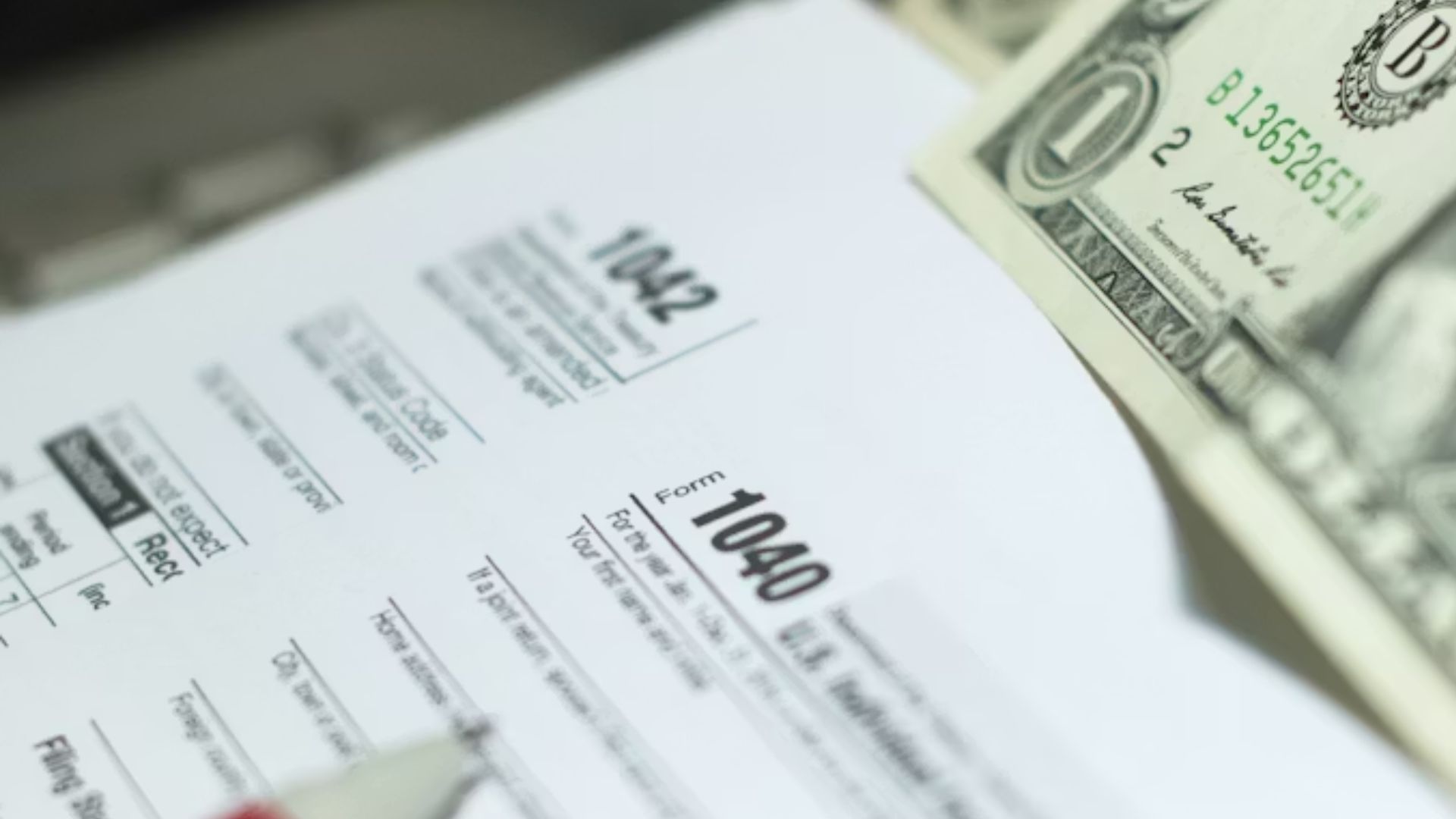
Little Rock, Arkansas – The clock is ticking for millions of Americans as the annual tax filing deadline arrives, bringing a last-minute rush for those who have yet to submit their returns. This year, the cutoff falls on Wednesday, April 15, 2026, marking a firm deadline that taxpayers cannot afford to ignore.
For those still scrambling to meet the deadline, there is a bit of breathing room—at least until midnight. As long as a tax return is postmarked by April 15, it will be considered filed on time. That means even late-evening trips to the mailbox can still count, provided the envelope is officially stamped before the day ends. However, those planning to hand-deliver their returns should take note: post office hours can vary, and some locations may close earlier than expected.
While the deadline itself is fixed, the option to request more time remains available. Taxpayers can file for an extension online through IRS.gov at no cost, as long as the request is submitted before midnight on April 15. This extension grants an additional six months, pushing the new deadline to October 15. But there is an important catch that often catches filers off guard—an extension to file is not an extension to pay.
Even with extra time to submit paperwork, any taxes owed must still be paid, at least in part, by April 15. Unpaid balances begin accumulating interest starting April 16, adding to the overall amount due. For many, this detail can turn a simple delay into a more costly decision.
Recognizing that not everyone can pay their tax bill in full, the IRS offers alternative solutions. Short-term and long-term payment plans are available, giving taxpayers a structured way to settle their obligations over time. The specific terms depend on each individual’s financial situation, but the option provides a lifeline for those facing immediate financial strain.
Still, failing to file or pay comes with significant consequences—ones that can escalate quickly. The penalty for not filing a return is steep, set at 5% of the unpaid tax for each month or partial month the return is late. This can build up to a maximum of 25%, making delays increasingly expensive with each passing month.
On the payment side, the penalties are smaller but still impactful. Those who fail to pay what they owe face a late payment penalty of 0.5% per month, again capped at 25%. While this may seem less severe at first glance, it can accumulate steadily over time, especially when combined with interest charges.
The situation becomes even more serious for taxpayers who neither file nor pay. In such cases, the combined penalties can reach a staggering 47.5% of the total tax owed—22.5% for late filing and 25% for late payment. This level of financial burden underscores the importance of taking action, even if full payment is not immediately possible.
As the April 15 deadline arrives, the message is clear: act now. Whether it’s filing a return, requesting an extension, or setting up a payment plan, taking even a small step can help taxpayers avoid mounting penalties and added stress. Waiting, on the other hand, can turn a manageable obligation into a much larger financial challenge.


