
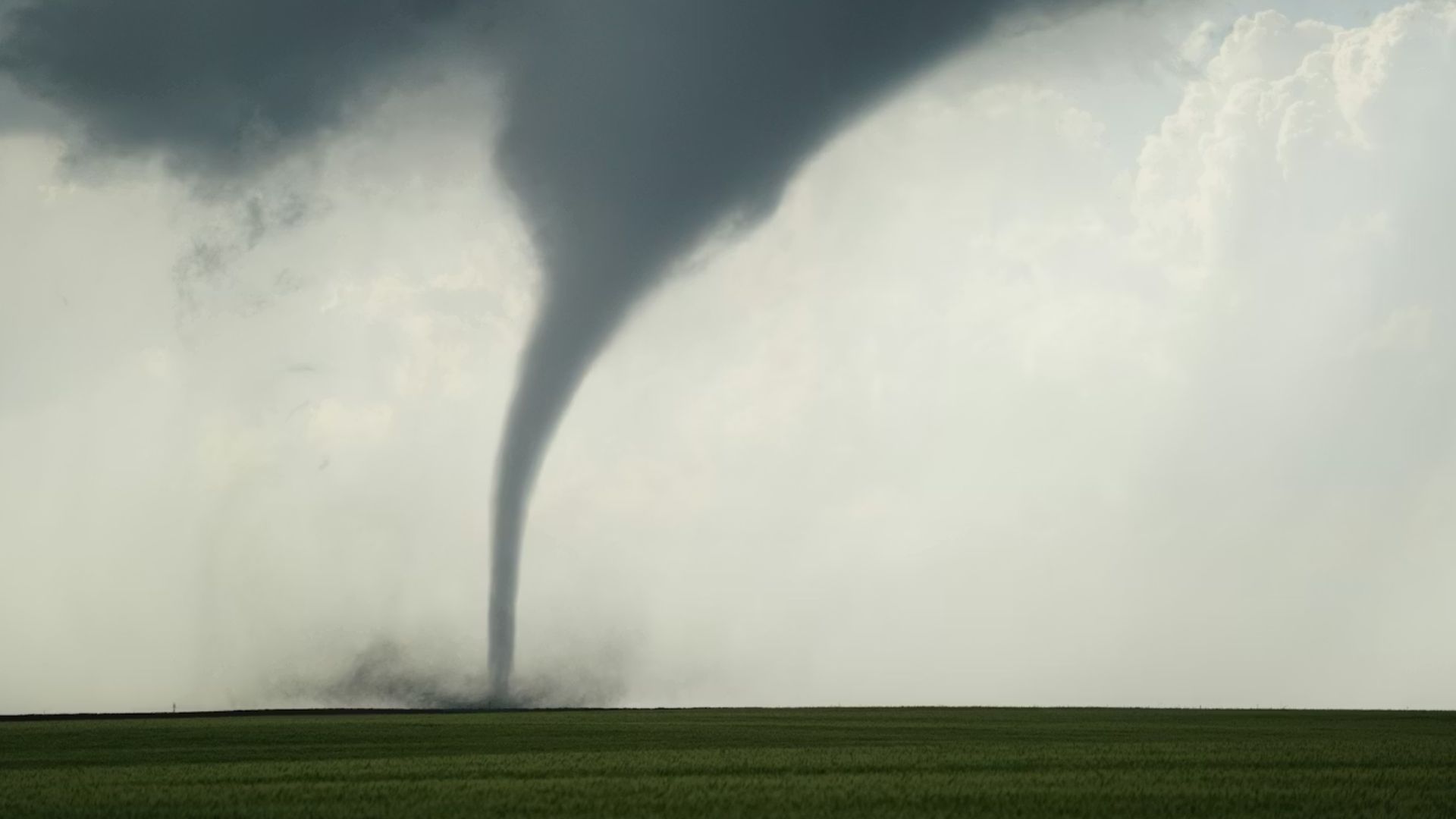
Arkansas – March 21 has long held a significant place in Arkansas history, marking events that span political milestones, public service tragedies, and one of the deadliest natural disasters in the state’s history. Among the most remembered is the catastrophic tornado outbreak of 1952, which remains the deadliest in Arkansas history.
On March 21, 1952, multiple tornadoes swept across Arkansas, leaving devastation in their wake. According to National Weather Service records and the Encyclopedia of Arkansas, 111 people lost their lives that day, making it the deadliest tornado outbreak the state has ever experienced. The destruction spanned the state, from Cedar Point in Howard County at 2:40 p.m., to areas north of Blytheville by 7 p.m. The town of Dierks suffered heavy damage with eight fatalities, but the hardest hit area was Judsonia, where 50 people were killed and 325 others injured. The White County/Judsonia tornado became particularly notorious for the scale of its destruction and the number of lives it claimed, leaving an enduring mark on local communities.
The significance of March 21 extends beyond natural disasters. In 1861, Arkansas’s first secession convention adjourned in Little Rock following the February 18 election. The adjournment, overseen by convention president David Walker, set the stage for the convention’s return in May, ultimately leading to the May 6 vote to secede from the Union. Nearly a century later, on March 21, 1869, civilian control was officially restored in Pulaski County, marking the end of the period known as the “Militia War” during Reconstruction, a turbulent time when military and civilian authorities clashed in the post-Civil War era.
Tragedy also touched law enforcement on this date. In 1901, Pocahontas Town Marshal John Z. Norris was shot and killed while attempting to cut a raft loose on the Black River. The confrontation with a local man escalated fatally, and although the gunman was seized two days later, he was ultimately lynched. Thirty years later, Fort Smith Detective Sam Booth succumbed to injuries on March 21, 1931, sustained while transporting two men accused of stealing a car. Both men were eventually paroled in 1945, underscoring the dangerous and often unpredictable nature of law enforcement work in Arkansas history.
March 21 has also been marked by births that left a lasting impact on the state. Steve Clark, who would go on to serve as Arkansas Attorney General, was born on this day in 1947, contributing to Arkansas’s legal and political legacy in the decades that followed.
From secession debates and the turbulent years of Reconstruction to violent confrontations and natural disasters, March 21 is a date that has shaped Arkansas in profound ways. The 1952 tornado outbreak remains the most vivid reminder of the state’s vulnerability to natural forces, while the stories of public servants like Norris and Booth reflect the courage and risks associated with maintaining law and order. Each event, birth, and death recorded on this date forms a patchwork of history that continues to inform the state’s collective memory and resilience.
Residents and historians alike continue to reflect on March 21 as a day of both tragedy and significance, remembering lives lost, milestones achieved, and the enduring stories that define Arkansas’s past. It is a date that reminds the state of both the fragility of life and the strength of its communities in the face of adversity.


