
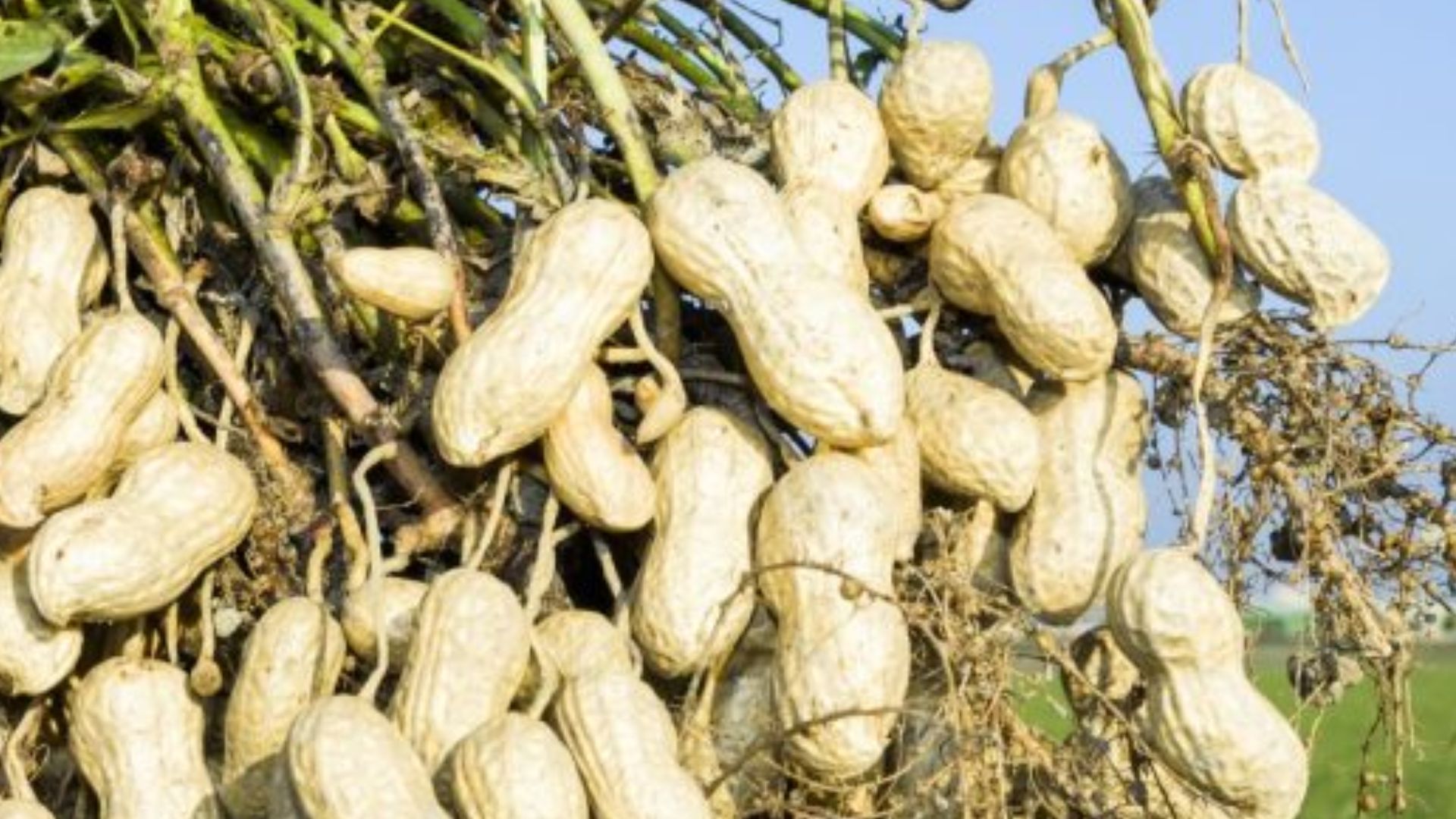
Little Rock, Arkansas – Arkansas officials are stepping in with a $5 million short-term loan aimed at keeping this year’s peanut harvest from being lost after Delta Peanut warned growers that it could no longer process, dry or store their crops.
Governor Sarah Huckabee Sanders and Arkansas Secretary of Agriculture Wes Ward announced the funding, which will come from the Governor’s Quick Action Closing Fund. The money is intended to help Delta Peanut purchase and handle the 2026 peanut harvest while the company works toward being acquired by another firm.
The announcement comes at a critical point in the harvest season. Nearly 90 Arkansas growers rely on Delta Peanut, and the company handles close to 80% of the state’s peanut crop.
“Peanuts are an expanding crop market in Arkansas, and we can’t allow this year’s harvest to rot in the field and kill the entire industry,” said Governor Sanders. “My administration is stepping in to offer this short-term bridge loan and facilitate the purchase of this year’s harvest. Looking forward, this is an industry we believe can stand on its own two feet and add diversity to the agriculture industry in the Delta.”
The immediate problem began in September when the U.S. Department of Agriculture announced that it was pulling Delta Peanut’s federal warehouse bond. Without that bond, the company told its growers it would not be able to provide the drying, processing and storage services needed for the harvest.
That left farmers with few alternatives.
Arkansas has another federally bonded peanut warehouse, but it is already operating at full capacity. Sending the crop to facilities in other states is also not financially practical for many Arkansas farmers.
The situation created a narrow window for action as growers brought in their crops.
“Governor Sanders took immediate and decisive action to save nearly 80 percent of Arkansas’ peanut crop and help keep several farmers from being forced out of business,” said Secretary of Agriculture Wes Ward. “This bridge loan provides a responsible, short-term solution that will allow our producers to harvest this year’s crop, stay in business, and preserve the future of Arkansas’ peanut industry.”
The $5 million loan is not intended to cover the company’s broader financial needs. Instead, the state funding will be used specifically for operating expenses required to keep the facility functioning during the harvest.
Those expenses include staffing, utilities and other overhead costs.
Farmers participating in the arrangement will also have to agree to a $60-per-ton delivery fee. In addition, they must sign a bank subordination agreement that gives the State priority lender status for repayment of the operating loan.
The loan itself will be temporary. Under the agreement, it cannot remain in place for more than six months. Repayment is expected to come as Delta Peanut receives payments from the U.S. Department of Agriculture and collects the delivery fees from farmers.
The state assistance is also tied to a potential longer-term change for Delta Peanut.
The company is currently negotiating with an outside firm that could purchase the business and take over its operations after this year’s harvest season. That potential transaction provides a path for the facility to continue operating beyond the immediate harvest crisis.
Delta Peanut has already received a $2.7 million line of credit that would allow the USDA to reinstate its warehouse license. However, that funding alone does not cover the day-to-day expenses needed to process the current crop.
The additional $5 million state loan is designed to fill that gap.
For Arkansas peanut growers, timing is especially important. Peanuts that cannot be dried, processed and stored properly cannot simply be left waiting in the fields indefinitely. With the state’s other federally bonded warehouse already full, losing Delta Peanut’s capacity would have left many farmers without a practical place to take their crops.
Read also: Education Department opens FAFSA for 2027-2028 school year in the earliest launch in program history
The bridge loan therefore addresses an immediate agricultural problem while negotiations over the company’s future continue.
State officials have also described peanuts as a growing part of Arkansas agriculture, particularly in the Delta region. The administration said the goal is not to provide permanent financial support to the industry, but to help get growers through the current disruption and preserve the market while a longer-term solution is pursued.
If the planned acquisition moves forward, Delta Peanut could transfer operations to the new owner after the harvest season. Until then, the state-backed financing is intended to keep the facility operating and give farmers a place to deliver their 2026 crop.
For growers who were facing the possibility of losing access to processing and storage at the height of harvest, the funding provides a temporary way forward while the future ownership of Delta Peanut is being worked out.


