
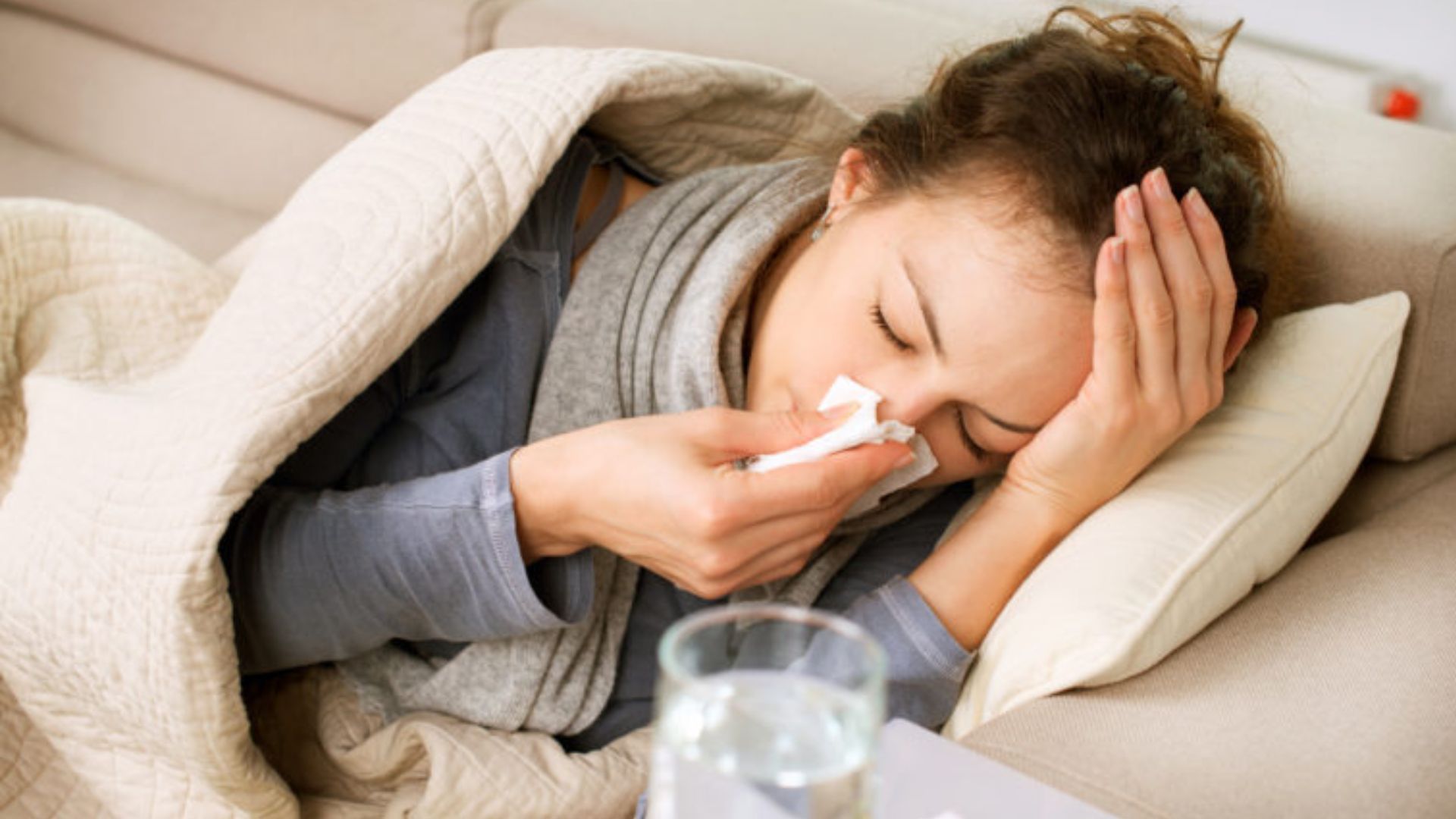
Little Rock, Arkansas – As the holiday season reaches its peak, health officials in Arkansas are warning that flu cases are surging across the state, sending a rising number of residents to doctors’ offices and emergency rooms. The increase in influenza cases is coming just days before Christmas, disrupting holiday plans for many families and prompting concerns about public health safety during gatherings.
“We always see a surge before Christmas. This year does seem to be a little extra severe,” said Anne Pace, owner of Kavanaugh Pharmacy. Pace described how her pharmacy has been overwhelmed in recent days with customers seeking flu tests and treatments. “So far in the last week, we have seen a dramatic increase, a skyrocket of flu cases,” she added, noting that flu medications are flying off the shelves as people try to recover before the holiday.
Pharmacies and clinics across the state are reporting similar trends, with patients showing up in higher numbers than usual for this time of year. While flu season often peaks later in January or February, this early surge is raising alarms among medical professionals. Dr. Jennifer Dillaha of the Arkansas Department of Health said the state could be on track to experience another severe season, similar to last year.
“[It is] much like it was last year when we had one of the worst flu seasons we had in many years,” Dr. Dillaha said. She emphasized that although influenza is common each winter, the early spike in cases could mean hospitals and clinics will see significant pressure over the coming weeks.
Nationally, the Centers for Disease Control and Prevention (CDC) has reported more than 4 million flu-like illnesses, 49,000 hospitalizations, and nearly 1,900 deaths so far this season. These numbers reflect the rapid spread of influenza and its potential severity, particularly among vulnerable populations such as the elderly, young children, and pregnant women.
Dr. Dillaha stressed that preventive measures remain the best line of defense against the flu. “It’ll be a number of weeks before we have a sense of how well the current vaccine is protecting against the current circulating strains,” she said. Health officials recommend regular handwashing, staying home when sick—even if it means canceling holiday plans—and getting vaccinated against the flu.
The current flu vaccine has been designed to protect against the most common strains expected this season, though experts note that its effectiveness will only become clear as more data is collected. Despite early cases, it is not too late for residents to get vaccinated. Health authorities are urging Arkansans to contact their doctors or visit local pharmacies for flu shots.
For families planning holiday gatherings, the surge in flu cases serves as a reminder of the importance of caution. “Protecting the elderly, kids, and pregnant women from more severe cases is essential,” Dr. Dillaha said. Even short-term adjustments, such as limiting contact with high-risk individuals if experiencing symptoms, can help reduce transmission.
Local pharmacies report that demand for flu testing and treatments is likely to remain high through the holidays, and community health leaders are stressing continued vigilance. In addition to personal precautions, officials encourage residents to be aware of flu symptoms, which include fever, cough, sore throat, body aches, fatigue, and congestion. Early treatment can improve recovery and reduce the likelihood of serious complications.
As Arkansans navigate holiday celebrations, health officials hope that increased awareness, vaccination, and preventive measures can slow the spread of the virus. While the season brings festive gatherings, it also calls for careful planning and responsibility to protect the health of loved ones during what could be a challenging flu season.


