
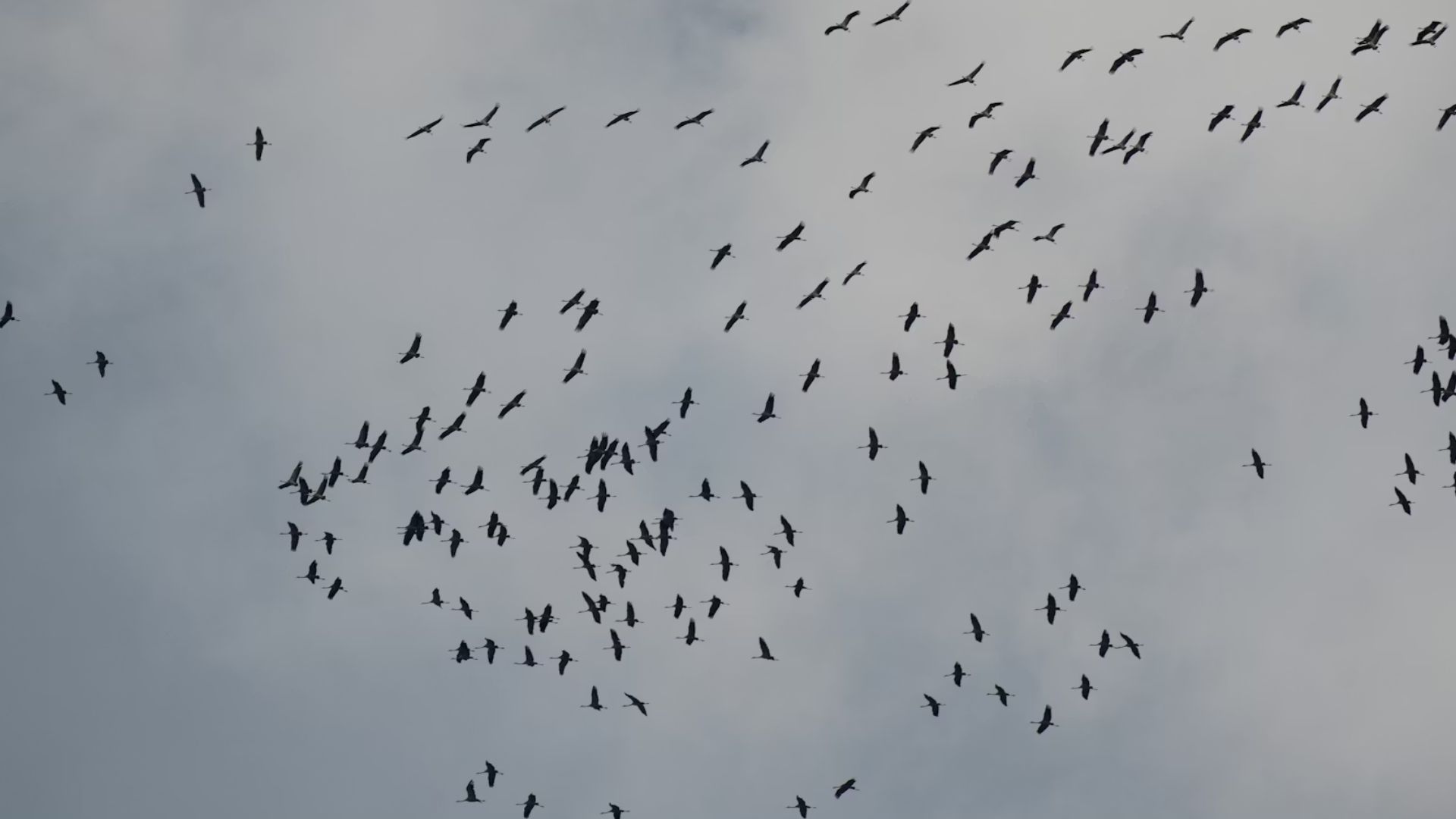
Little Rock, Arkansas – Authorities in Arkansas are urging residents to exercise extreme caution around wild birds following multiple detections of highly pathogenic avian influenza (HPAI) throughout the state. The virus has been identified not only in wild bird populations but also in both backyard and commercial poultry flocks, prompting warnings from agriculture and health officials.
“People should avoid contact with wild birds, especially any that appear sick or are found dead,” state agencies said. Experts warn that wild birds, particularly migrating waterfowl, remain the primary carriers of HPAI and can easily transmit the virus to domestic poultry and other birds.
Officials emphasize that the risk is not limited to farms. Wild birds that are handled or brought into homes, barns, or vehicles can inadvertently spread the virus to humans, pets, and other animals. Pet owners are advised to keep their animals away from wild birds and any carcasses to reduce the likelihood of contamination.
For outdoor enthusiasts, the risk extends to hunters and bird watchers. Arkansas authorities recommend wearing gloves when handling birds or any equipment that may have come into contact with them. Regular handwashing is also essential, and any birds that appear sick or are found dead should never be consumed.
“Hunters and bird watchers should wear gloves when handling birds or equipment, wash their hands regularly after contact, and avoid consuming birds that appear sick or were found dead,” officials said. The guidance seeks to prevent the virus from spreading further, especially during peak migration periods when wild bird populations are concentrated and mobile.
Residents who notice clusters of sick or dead wild birds are encouraged to report them. The Arkansas Game and Fish Commission accepts online reports, while backyard or commercial poultry owners can call the Arkansas Department of Agriculture’s sick bird hotline at (501) 823-1746 to report any suspected or confirmed illness in their flocks.
Authorities stress that early reporting and vigilance are critical to containing the virus. While HPAI primarily affects birds, the economic impact on poultry farms can be severe, with outbreaks often leading to quarantines, flock culling, and trade restrictions.
The recent findings in Arkansas mirror a nationwide trend, as avian influenza has been detected in numerous states over the past months. Health and agriculture officials continue to monitor the situation closely, encouraging both commercial poultry operators and the public to remain cautious and adhere to biosecurity measures.
“People should avoid handling sick or dead wild birds or bringing them into homes, barns, or vehicles, since they can spread the virus. Make sure to keep your pets away from wild birds and carcasses as well,” agencies said. The combination of public awareness, careful handling, and prompt reporting is seen as the most effective line of defense against further outbreaks.
As migration season continues, officials say vigilance is key. Residents are urged to follow the guidelines carefully and to seek guidance from state authorities if they have any concerns about wild birds or domestic poultry health.


