
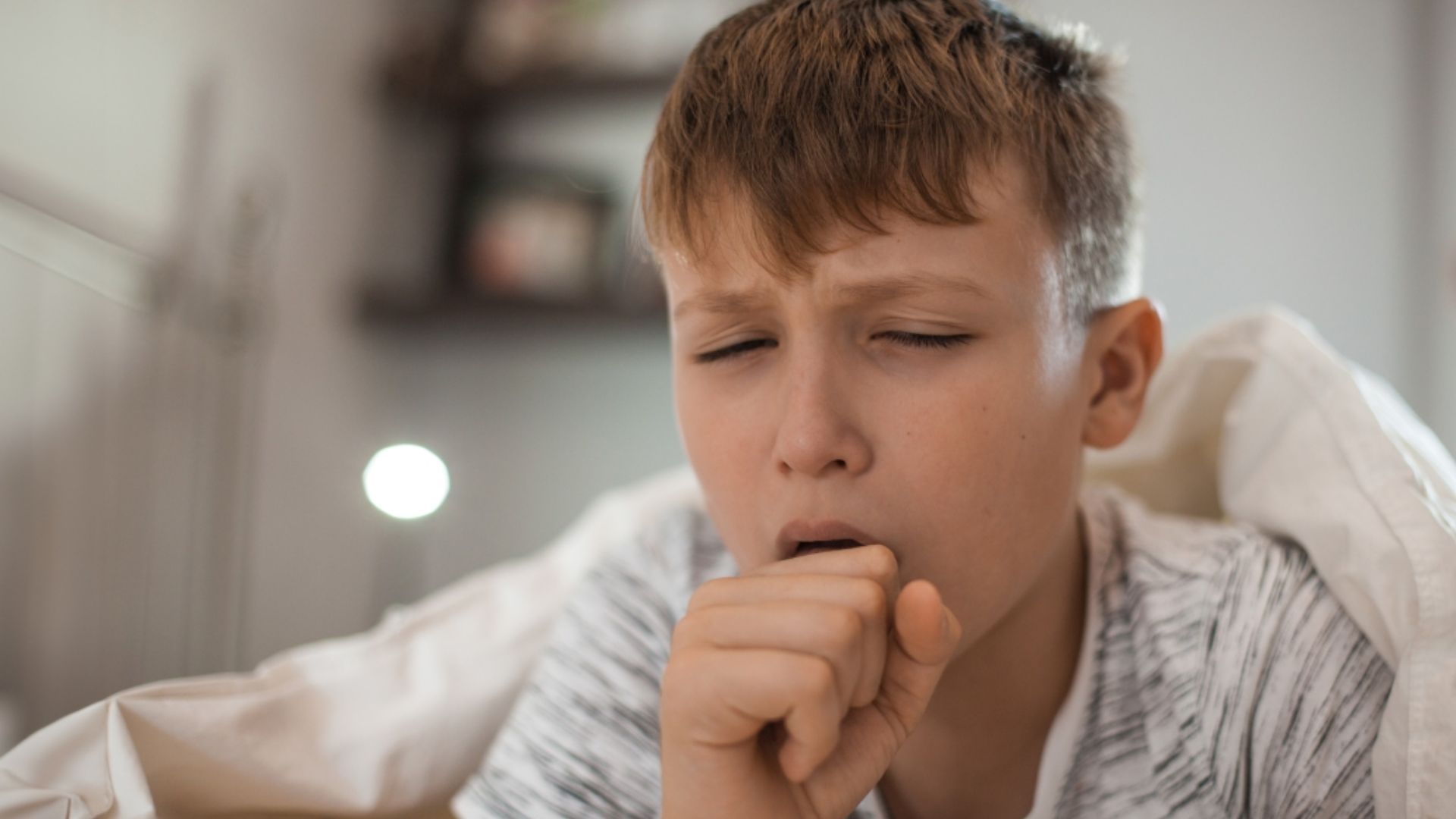
Little Rock, Arkansas – Arkansas is facing a significant public health concern as the state reports over 500 cases of pertussis, commonly known as whooping cough, in 2025, marking the highest number of cases since the Arkansas Department of Health began collecting data 15 years ago. Health officials warn that the rise in pertussis cases is not isolated, reflecting a broader national trend of increased infections.
The surge has affected many areas across the state, with more than 50 counties reporting at least one confirmed case this year. School-aged children and teenagers make up the majority of the reported cases, highlighting the vulnerability of younger populations. According to health officials, at least 50 people were hospitalized due to pertussis, representing roughly 10 percent of the total cases. Alarmingly, more than 60 percent of these hospitalizations involved infants younger than one year, a group particularly susceptible to severe complications from the illness. Tragically, the state also reported one death linked to pertussis in 2025.
Pertussis is caused by the bacterium Bordetella pertussis, which primarily affects the lungs and airways. Early symptoms can resemble a common cold, including mild coughing, runny nose, and occasionally a low-grade fever. “One to two weeks later, people can have coughing fits that may occur suddenly on and off for ten weeks or more,” health experts note. For infants, the disease can present differently. Rather than coughing, they may experience pauses in breathing that cause them to turn blue or struggle to breathe, making early detection especially critical.
The bacteria are highly contagious, spreading easily through coughing or sneezing, particularly in close-contact settings such as schools or households. Older siblings and adults often play an important role in transmitting the infection to younger infants and other vulnerable family members. “One out of three infants in the United States with pertussis will need hospital care,” health officials emphasize, pointing to the seriousness of the disease. Individuals of all ages with pre-existing conditions like asthma or a weakened immune system are also at increased risk of severe illness if infected.
Public health officials continue to stress the importance of vaccination as the most effective defense against pertussis. The Centers for Disease Control and Prevention recommend that children, adolescents, and adults stay up to date with the pertussis vaccine. In addition, anyone who has been exposed to an infected individual should consult a healthcare provider about preventive treatment. Early diagnosis and treatment are critical, as pertussis can be managed effectively with the right antibiotics when caught in time.
Dr. Susan Thompson, an Arkansas pediatrician, notes, “Vaccination is our best tool to protect infants and children from severe outcomes of pertussis. Families should ensure they are up to date on their shots and seek medical advice if symptoms appear.” Health officials also advise parents to remain vigilant for signs of the illness in children, including prolonged coughing fits or difficulty breathing, and to avoid exposing vulnerable infants to potentially infected individuals.
The Arkansas Department of Health continues to monitor the situation closely and urges residents to take precautions, including practicing good hygiene and staying current on vaccinations. As the state grapples with the largest pertussis outbreak in over a decade, experts say that community awareness and proactive healthcare measures remain key to controlling the spread of this serious, yet preventable, disease.


