
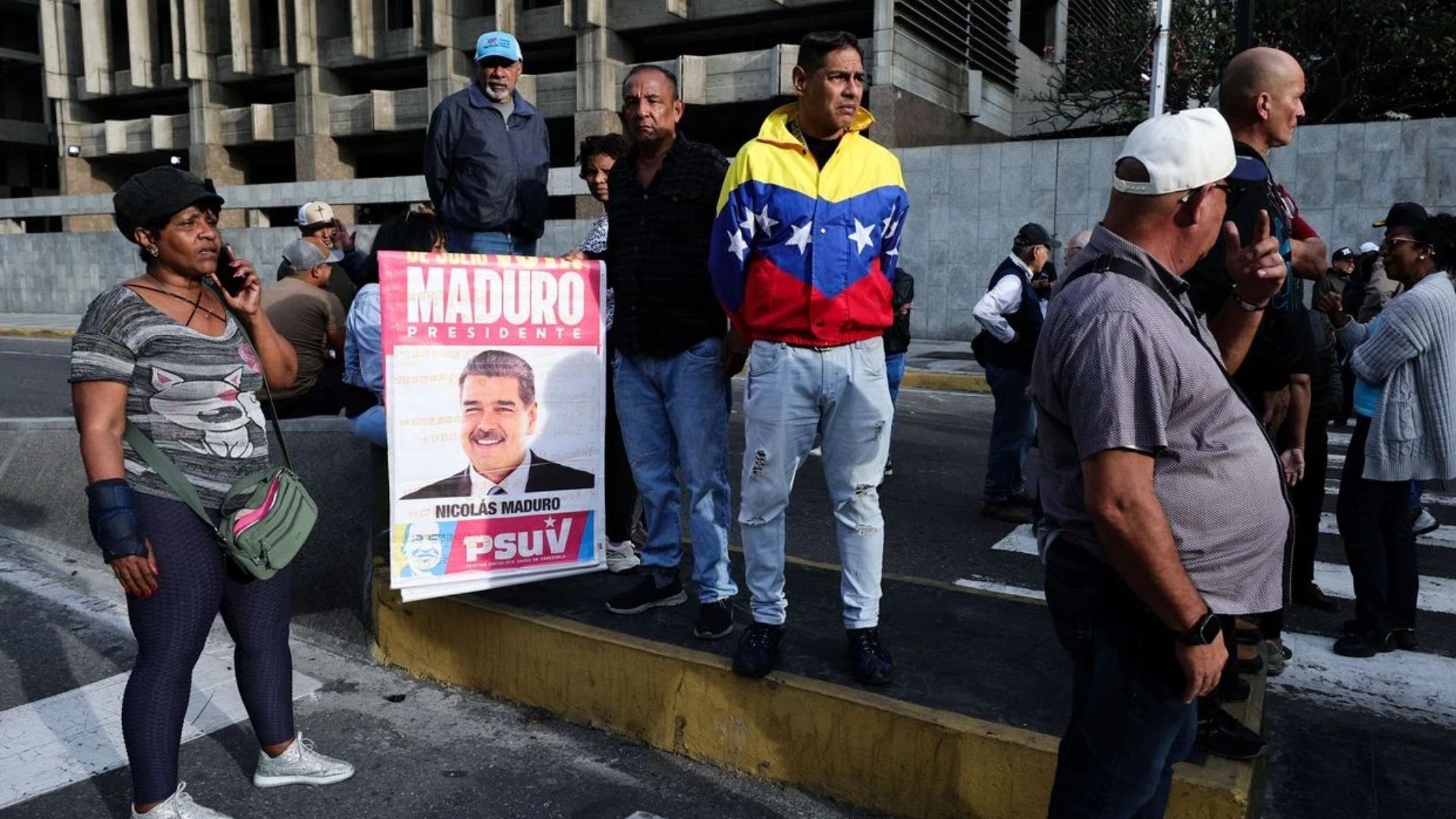
Little Rock, Arkansas – Tensions over U.S. foreign policy reached the steps of the Arkansas State Capitol on Sunday as dozens of residents protested the arrest of Venezuelan President Nicolás Maduro by federal authorities. The demonstration came just a day before Maduro is set to appear in a New York federal court on charges tied to drug trafficking and narco-terrorism.
Protesters voiced skepticism over the motives behind Maduro’s detention, questioning whether the case truly centered on drug enforcement or served broader geopolitical aims. Many attendees criticized former President Donald Trump’s handling of the operation and expressed concerns about selective international intervention.
“If anyone still thinks it’s about drugs, it’s absolutely not because Venezuela doesn’t make fentanyl,” said Anita Lew Allen, a protester speaking to the crowd. Her words captured a common sentiment among demonstrators, who argued that the U.S. focus on Venezuela ignores other pressing humanitarian crises.
Other protesters drew attention to conflicts elsewhere in the world. “We have genocide going on in two other countries, Sudan being one of them, Palestine being another,” said Sarah Rampona. “It’s not like we’re saving them. We’re not freeing them. He’s going in to take the oil.”
The federal government has described Maduro’s arrest as part of a broader effort to curb illegal drug imports into the United States. While authorities have framed the action as a measure to protect American communities from narcotics, the move has sparked intense debate over executive power and congressional oversight.
Arkansas Republican Senator Tom Cotton defended the administration’s actions, emphasizing the connection between Maduro and international drug trafficking. “President Trump has been clear all along that he wants the flow of drugs from Venezuela to stop,” Cotton said, highlighting the potential benefits for Americans, including residents of his home state.
Cotton further noted that families in Arkansas have been deeply affected by drug abuse, positioning the operation as a measure to safeguard citizens. “I’ve heard from too many Arkansas families who have been devastated by illegal drugs flowing into this country — families who’ve lost a loved one or struggled with addiction,” he said.
The senator also backed the decision to act without prior notification to Congress, an aspect that fueled criticism from demonstrators. Protesters argued that the unilateral move overstepped constitutional boundaries and undermined the system of checks and balances designed to regulate military and foreign interventions.
“Congress was out of session,” Rampona said, “He did this on his own, and he does not have the constitutional power.” Allen echoed the concern, framing the arrest as a potential declaration of war. “The president has basically declared war on another country without congressional approval,” she said. “He needs to be put in check.”
As Maduro prepares for his court appearance alongside his spouse, the demonstration at the State Capitol reflected a sharp divide in public opinion over U.S. foreign policy and executive authority. While officials stress the arrest is rooted in criminal justice and drug enforcement, the protest underscored ongoing skepticism about Washington’s intentions abroad and the domestic impact of international actions.
For Arkansans watching the situation unfold, Sunday’s protest was a vivid reminder of the complex interplay between law, politics, and morality on the global stage, where decisions made in Washington can reverberate across communities thousands of miles away.


