
North Little Rock, Arkansas – Central Arkansas residents are getting ready for a Halloween filled with costumes, candy and gatherings, but the price of celebrating is drawing attention. With sweets costing more and billions of dollars expected to go toward costumes nationwide, shoppers are looking for ways to keep their plans within budget.
Halloween spending is projected to reach $13.5 billion this year, according to the National Retail Federation. That would mark an increase of nearly 4% from 2025. Higher costs, however, appear to be changing how people shop more than whether they celebrate.
The NRF found that 74% of consumers plan to take part in Halloween, roughly matching last year’s participation. That remains above the 68% who planned to celebrate in 2019.
In Argenta, residents described plans to go trick-or-treating, attend parties and spend time with family and friends. Halloween falls on a Saturday this year, putting those celebrations on the weekend.
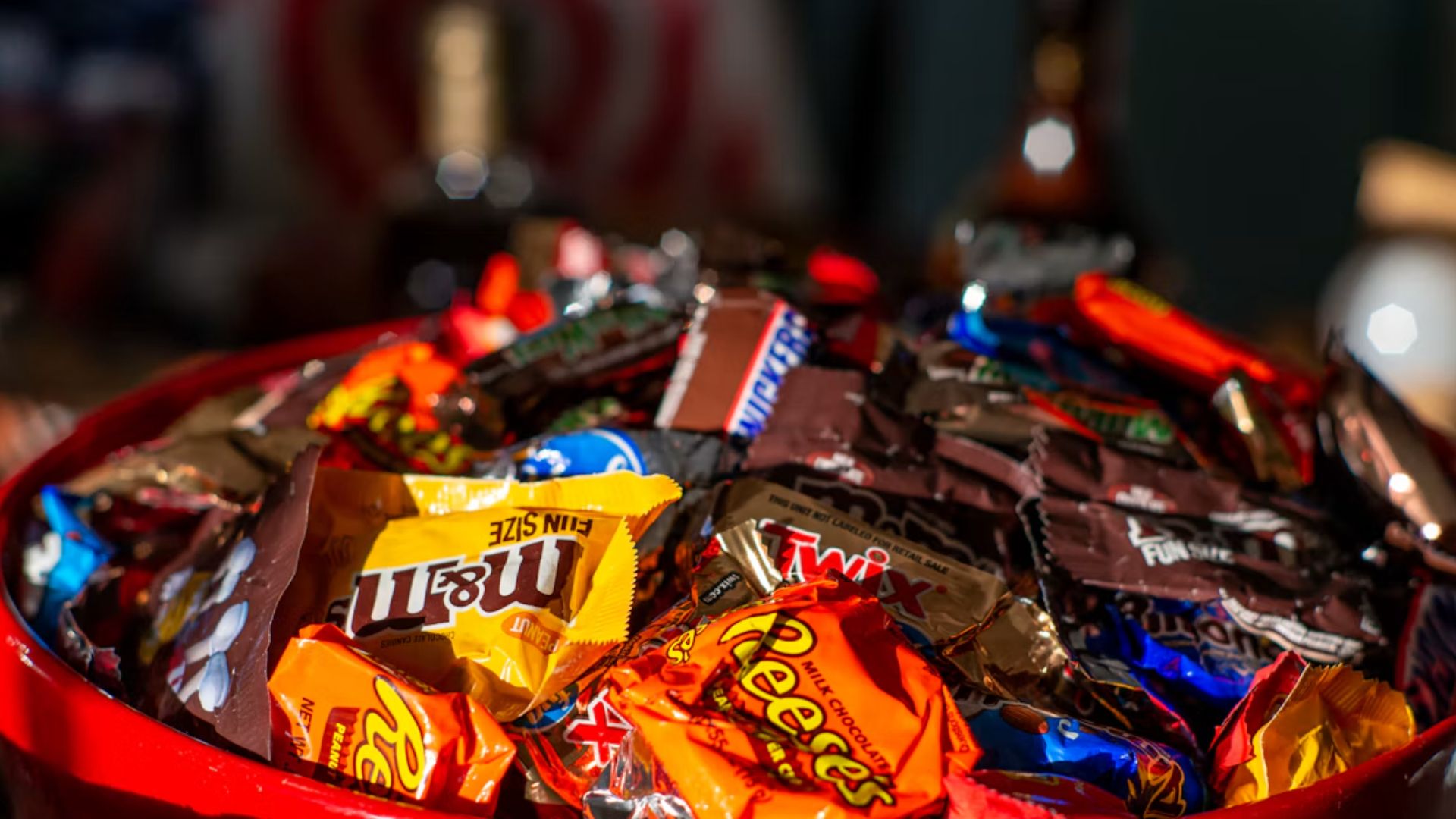
Still, filling a candy bowl comes with a different price tag than it did a few years ago.
The average full-size candy bar now costs about $3.45. When Central Arkansas residents in Argenta were asked to guess the current price, their answers ranged from $1.75 to $4. The spread showed how widely expectations varied, with some estimates well below the reported average.
According to Yahoo! Finance, Halloween candy costs increased more than 78% between 2020 and 2025. That rise puts added pressure on a purchase that remains central to the holiday.
Candy is expected to be the most widely purchased Halloween item, with 96% of consumers planning to buy sweets. National spending on candy is projected to reach about $4.1 billion.
Yet shoppers are not planning a large increase in their individual holiday budgets. Average spending is expected to be $115.14 per person, only slightly above the $114.45 reported in 2025.
Instead, many consumers are putting more effort into finding a better price. About one-third plan to compare prices across retailers, while 26% intend to look for coupons or sales, according to the NRF.
Read also: A-State goes “Into the Howlverse” for a week of homecoming events and football
Costumes account for another substantial share of the Halloween bill. Total costume spending is expected to reach about $4.4 billion, with half of adults planning to dress up this year.
Adults are projected to spend roughly $2 billion on costumes. Children’s costumes are expected to account for another $1.5 billion, with comic book characters and superheroes among the leading choices. Pets are part of the festivities, too, with spending on their costumes forecast at about $920 million.
Decorations are close behind costumes in projected sales, at $4.3 billion. The NRF found that 42% of adults plan to decorate their yards. The same percentage plan to carve pumpkins, and 42% expect to watch scary movies.
Shopping is also beginning well before the final days of October. About half of those surveyed plan to start buying Halloween items in September or earlier.
Discount stores are the most popular destination for those purchases. About one-third of shoppers expect to visit specialty Halloween stores, while 27% plan to buy online. Those choices come as consumers balance holiday plans with the search for affordable supplies.
Read also: Jerry Jones announces $10 million family grant to Clinton Foundation at Little Rock Touchdown Club
Some are also turning to artificial intelligence for help preparing. Nearly half of consumers plan to use AI tools for Halloween shopping, the NRF found, mainly to brainstorm ideas and plan parties.
Overall Halloween spending has risen more than 68% since 2019, although that comparison does not account for inflation. The increase therefore cannot be read simply as shoppers buying that much more.
For Central Arkansas residents making plans, the holiday still centers on familiar activities and time together. The national figures suggest that enthusiasm remains strong, even as shoppers compare prices, search for discounts and decide how to stretch their Halloween budgets.


