
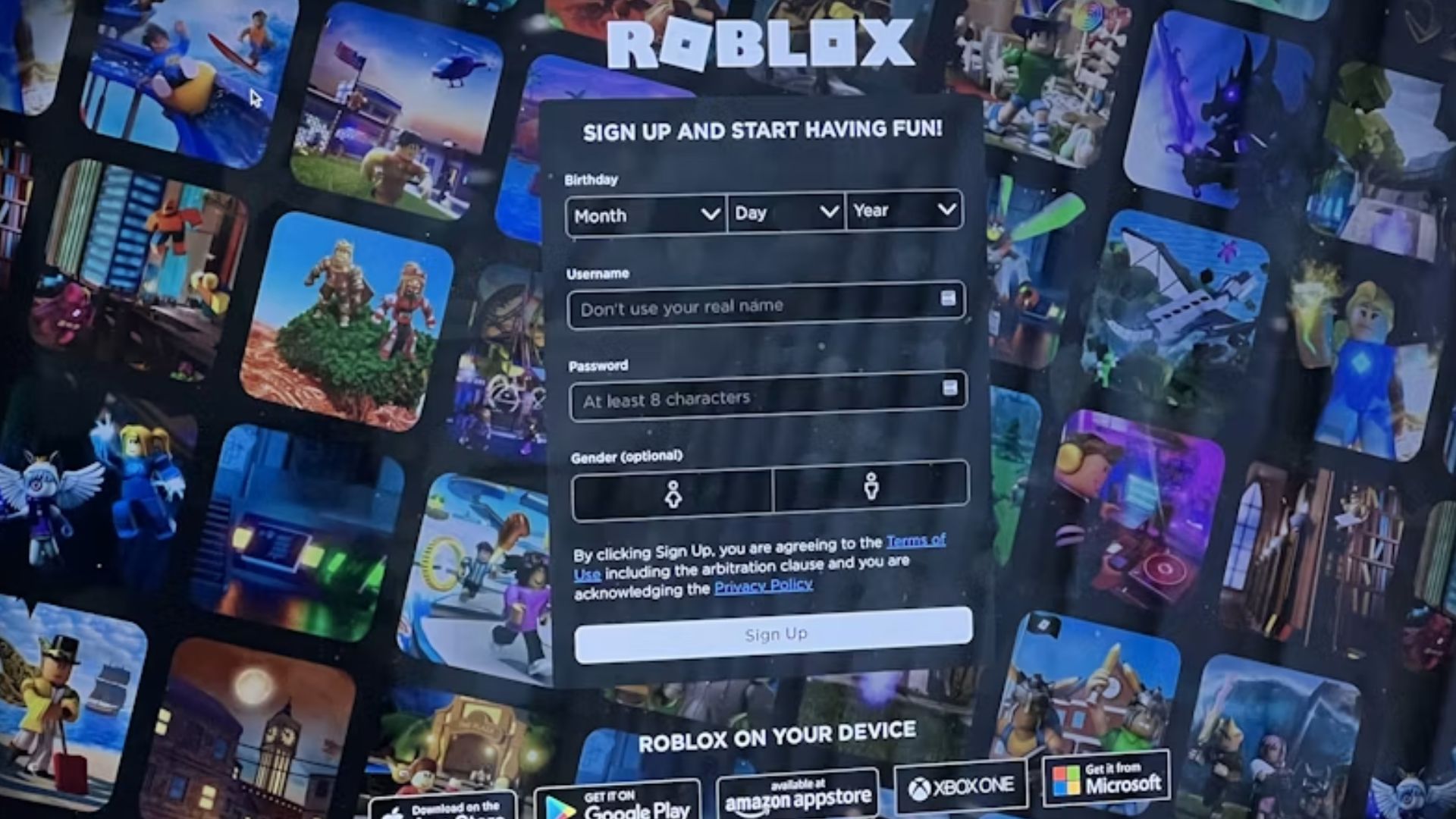
Little Rock, Arkansas – Arkansas Attorney General Tim Griffin has filed a lawsuit against Roblox Corporation and Discord Inc., escalating a growing national debate over how major online platforms protect children in digital spaces that are increasingly difficult to monitor.
The lawsuit, announced Monday, targets two of the most widely used platforms in the world, both of which are heavily populated by younger users. According to the Attorney General’s office, the case focuses on what it describes as long-standing failures in product design and safety systems that allegedly exposed children to online exploitation risks.
Griffin’s office claims the companies engaged in what it calls “years of deliberate deception and reckless product design that transformed the internet’s most popular children’s gaming site into one of the most dangerous places online.”
Roblox, a massive online gaming platform, reports roughly 144 million daily active users worldwide. Officials say about 40% of those users are under the age of 13, placing children at the center of its global user base. Discord, meanwhile, has more than 200 million monthly active users, with an average user age of 16, according to data cited by the Attorney General’s office.
The lawsuit references internal reporting connected to Roblox and child safety concerns. According to those reports, the company’s mandatory submissions to the National Center for Missing and Exploited Children recorded approximately 675 suspected child sexual exploitation incidents in 2019 alone. By 2023, that figure had reportedly increased to more than 13,000 cases, a rise state officials describe as alarming and deeply concerning.
Arkansas officials argue that these numbers reflect systemic issues rather than isolated incidents. The complaint suggests that platform design choices, combined with limited safeguards, may have contributed to increased exposure of minors to harmful interactions online.
Discord is also singled out in the lawsuit for what Arkansas describes as intentional design choices that weaken parental oversight. The Attorney General’s office alleges that the platform built systems that allow children to bypass monitoring tools and interact with strangers with minimal restrictions.
Officials claim Discord’s “family center” structure places control in the hands of children rather than parents, particularly when it comes to monitoring or limiting communication features. The lawsuit argues this approach creates vulnerabilities that can be exploited by bad actors.
Griffin said the issue is not accidental, but structural. He argued that both companies made deliberate decisions that prioritized growth and engagement over safety protections for minors.
“Roblox built a platform with no age verification, no meaningful parental consent, and an algorithm that routed children directly toward the spaces where predators were waiting. Discord built a platform that lets children override parental monitoring with a single tap and hands anonymous strangers direct access to kids,” he said. “Both companies knew exactly what was happening on their platforms. Both companies chose profit over the safety of Arkansas children. Both companies told parents — repeatedly and falsely — that their platforms were safe. Roblox left the front door unlocked, and Discord handed predators a private room. Arkansas children paid the price. That stops now.”
The statement reflects the state’s broader argument that technology companies must take greater responsibility for how children interact within their systems. The lawsuit seeks to hold both platforms accountable under state law for alleged deceptive practices and unsafe design features.
Roblox responded strongly to the allegations, disputing the claims and defending its safety systems. In a public statement, a company spokesperson said the lawsuit misrepresents how the platform operates and does not account for recent safety improvements.
“Roblox is deeply committed to fostering a safe, healthy, and age-appropriate environment for our community. We strongly dispute the claims in this lawsuit filed by the Attorney General of Arkansas in Los Angeles County, California. It fundamentally misrepresents how our platform works and fails to recognize the extensive, proactive measures we are taking to set a new standard in online safety. As part of our ongoing work to strengthen user protections, Roblox recently became the first online gaming platform to require age checks for all users to access chat features so that younger users are limited to chatting with similarly aged users by default.
Read also: Central Arkansas announces wide range of Juneteenth events across multiple cities
Additionally, we recently launched new age-based accounts that automatically match our youngest users to a dynamically updated catalog of content containing select games rated for their age group, further aligning content access and parental controls with a user’s age.
When we identify violations of our rules, we take swift action and work closely with law enforcement to help hold bad actors accountable. While no system can be perfect, we are constantly strengthening our user protections, and we look forward to working collaboratively with Attorney General Griffin to help keep kids safe online.”
The company emphasized that it has introduced new safety measures, including age verification requirements for chat access and updated content filtering systems designed to limit exposure to inappropriate interactions.
The legal dispute highlights growing pressure on major tech platforms as lawmakers across the United States push for stronger protections for minors online. Arkansas officials say the case is intended to address what they view as persistent gaps between corporate safety claims and real-world risks.
As the lawsuit moves forward, both companies are expected to defend their moderation systems and argue that they are actively investing in new safeguards. For Arkansas, however, the case is framed as a necessary step toward changing how digital platforms are designed and regulated when children are involved.
The outcome could have broader implications beyond the state, potentially influencing how other jurisdictions evaluate the responsibility of online gaming and messaging platforms in preventing exploitation and improving child safety standards.


