
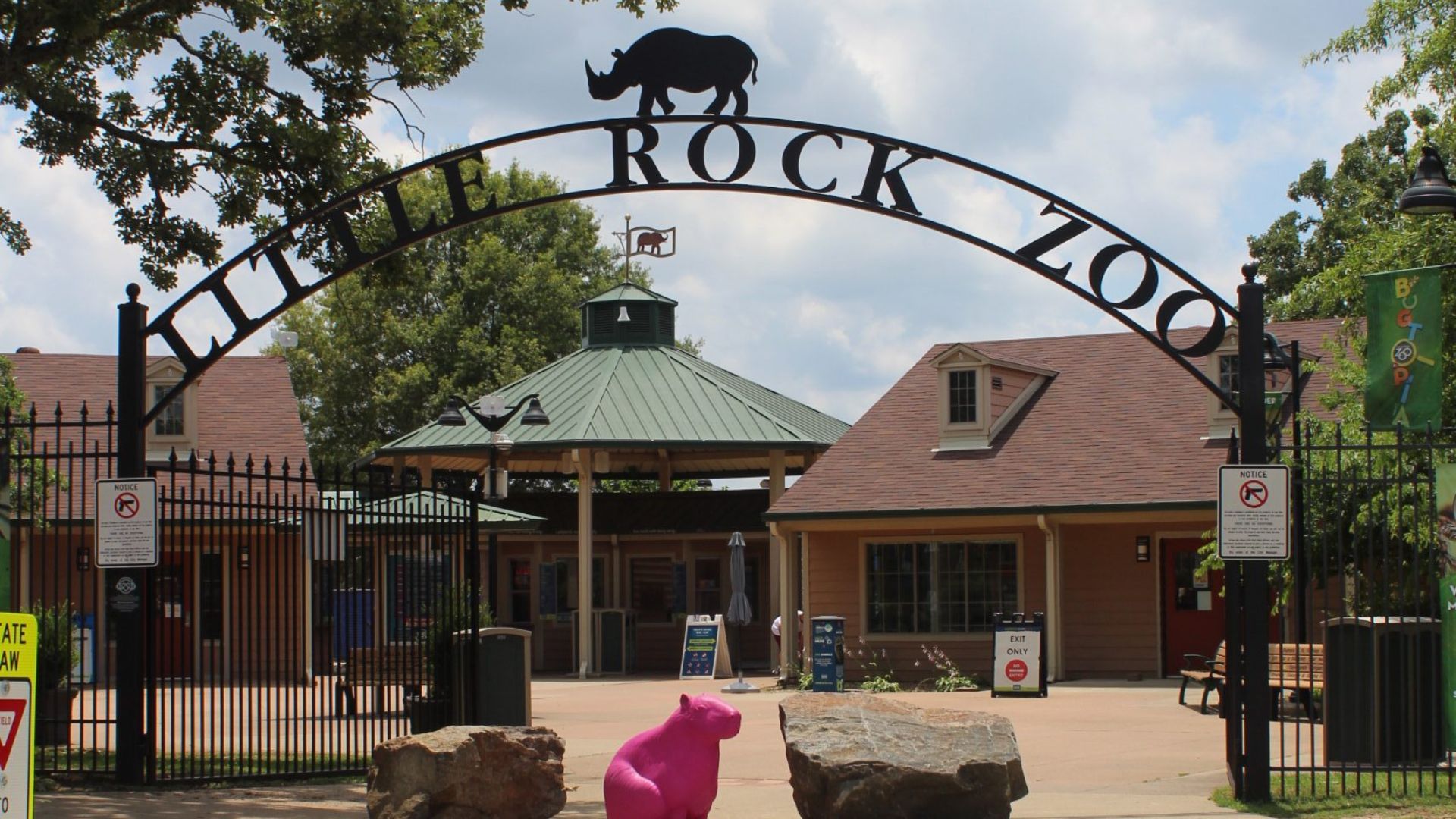
Little Rock, Arkansas – At the Little Rock Zoo in Arkansas, something unusual is drawing attention even before the animals themselves have fully returned. Bright, oversized capybara sculptures have appeared across the zoo grounds, turning walkways and open spaces into a colorful, interactive outdoor gallery.
The installation arrives as part of a larger moment of transition for the zoo, which is preparing for the return of its real capybaras once the “Project Zoo: Wildly Reimagined” construction project is completed. Until then, visitors are being invited to engage with art instead of live animals, in a way that still keeps the capybara at the center of the experience.
This temporary replacement is far from ordinary decoration. A total of 22 sculptures have been installed throughout the zoo, each one designed as part of an interactive art experience. The works were created by the internationally known Cracking Art Collective, a group recognized for producing bold, animal-inspired installations made from regenerated plastic materials.
The sculptures are hard to miss. Painted in bright neon shades of pink and orange, they stand out sharply against the natural surroundings of the zoo. Some are placed in open, visible areas, while others appear in unexpected corners, encouraging visitors to explore the grounds more closely than usual. Families are stopping to take photos, children are interacting with the displays, and guests are moving through the zoo with a sense of curiosity that blends art and wildlife education.
Behind the playful appearance, the project carries a clear environmental message. The sculptures are made from recycled plastic, giving discarded material a second life in artistic form. For Cracking Art Collective, that transformation is central to their mission.
Cracking Art Collective said that their works “originate from a desire to convey a message that can reach and engage the public, encouraging interaction and empathy. For this reason, we are especially pleased about the collaboration with the Little Rock Zoo in the creation of the capybara. This animal, known for its cooperative social behavior, is able to live in large groups while maintaining a peaceful coexistence. It was therefore chosen as a symbol of an open, respectful community in dialogue with its environment,” said Cracking Art.
The choice of the capybara was not accidental. Known as the largest rodent in the world, the species is native to South America, particularly Brazil, where it lives in social groups near water sources. Capybaras can grow to around 150 pounds and are often described as calm and highly social animals. They are also strictly herbivores, feeding on grasses, aquatic plants, and other vegetation.
Despite their gentle nature, capybaras face threats in the wild, mainly from hunting for their fur and pressure on their natural habitats. That reality adds another layer of meaning to the zoo’s decision to highlight them through both live animals and artistic representation.
Zoo officials say the sculptures are designed to bridge entertainment and education. By combining visual art with wildlife themes, they hope to create a more engaging experience for visitors while also reinforcing conservation messages.
“These new sculptures will bring together two things our guests love, animals and experiences,” said Zoo Director Susan Altrui. “Capybaras are incredibly social and engaging, and pairing their return with this bold, sustainable art installation gives us a new way to connect visitors to conservation in a fun and meaningful way.”
For the zoo, the timing is especially important. The capybaras themselves are expected to return once major construction work under Project Zoo: Wildly Reimagined is completed. Until then, the sculptures serve as both a placeholder and a celebration, keeping public interest high while offering something new to see on every visit.
Visitors can now walk through the zoo and encounter the sculptures in multiple locations. Each installation is intended to invite interaction, whether through photography, observation, or simple curiosity. Unlike traditional static displays, the pieces are meant to feel alive in their placement, encouraging movement and exploration.
There is also a sponsorship opportunity tied to the project. Supporters can sponsor individual sculptures, with benefits including invitations to the grand opening of the redesigned zoo spaces, early exhibit previews, donor recognition, a framed certificate, and a professional photo. The initiative connects community involvement directly to the zoo’s ongoing transformation.
Beyond the visual appeal, the project also ties into a broader environmental conversation. The Cracking Art movement, founded in 1993, focuses on the relationship between nature and artificial materials, particularly plastic. Their work emphasizes recycling and transformation, turning waste materials into large-scale public art that encourages reflection on human impact on the environment.
The organization describes its mission as both artistic and environmental, using familiar animal shapes to make complex ideas more accessible. By placing these sculptures in public spaces like zoos, they aim to reach audiences who might not typically engage with contemporary art installations.
The Little Rock Zoo itself operates under accreditation from the Association of Zoos and Aquariums (AZA), a global organization focused on conservation and animal welfare. That accreditation reflects standards in animal care, education, and environmental responsibility, linking the zoo’s local work to broader conservation efforts worldwide.
For visitors walking through the zoo today, however, the experience feels immediate and simple. Bright capybaras appear around corners, standing quietly among trees, paths, and exhibits. Children pause to point them out. Parents take photos. And for a moment, the absence of the real animals is filled with color, creativity, and anticipation.
When the real capybaras eventually return, the zoo expects the sculptures will remain part of the memory of this transition period—a temporary but striking reminder of how art and wildlife can come together in unexpected ways.


