
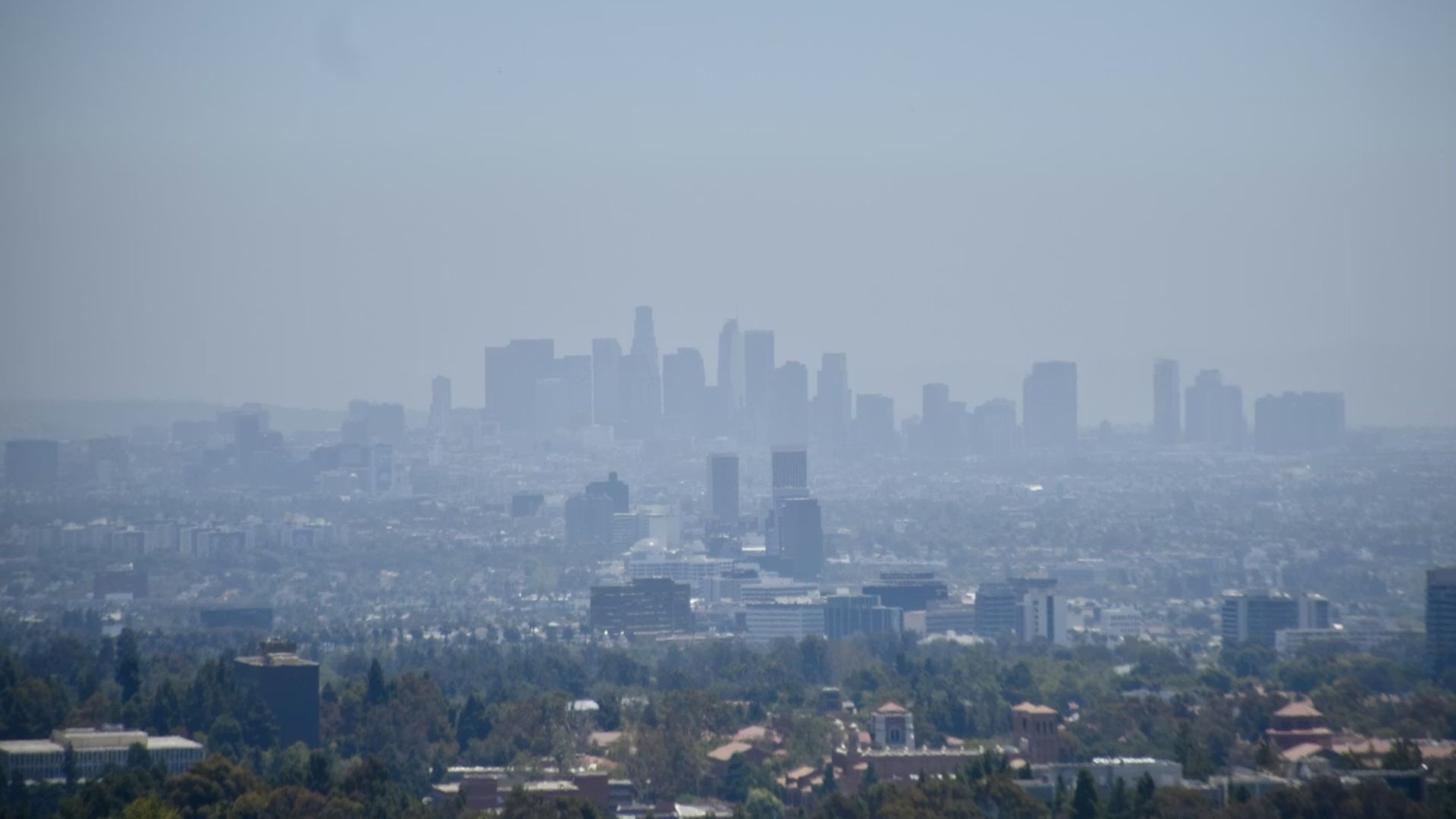
Jonesboro, Arkansas – A new national report is raising fresh concerns about the air millions of American children breathe every day, pointing to pollution levels that experts say remain dangerously high in many parts of the country.
The American Lung Association released its 27th annual “State of the Air” report, which shows that nearly half of children in the United States are exposed to unhealthy levels of air pollution. The findings, shared in the report, suggest that 33.5 million children live in areas that received a failing grade for at least one major measure of air quality.
The report highlights a troubling picture that stretches across urban, suburban, and rural communities alike. While air pollution is often associated with large industrial centers or major highways, the data shows that exposure is widespread and not limited to one region.
Experts say children are especially vulnerable. Kevin Stewart, Director of Environmental Health with the American Lung Association, explained that the risk is higher for younger populations because of how their bodies develop and how they spend their time.
“We are concerned about children breathing air pollution that can end up giving them asthma attacks sending them to the emergency room, and that’s something no parent wants so we all want to pay attention to air quality,” Stewart said.
According to Stewart, children’s lungs are still developing, which makes them more sensitive to harmful particles in the air. Many children also spend more time outdoors than adults, increasing their exposure to pollutants like soot. These fine particles, created through burning processes, are small enough to enter deep into the lungs and even reach the bloodstream.
Health concerns become even more serious for those who already have respiratory conditions. The report notes that chronic illnesses such as asthma remain widespread among children and adults alike. In Craighead County, for example, more than 2,000 children are reported to have asthma, along with over 9,500 adults.
The combination of poor air quality and existing health conditions can create a cycle of medical emergencies, especially during periods when pollution levels rise. Hospitals and emergency rooms often see increased visits tied to breathing problems, particularly in vulnerable populations.
While the report focuses on national trends, it also includes practical recommendations aimed at reducing exposure. Stewart emphasized simple steps that families can take in their daily routines. One of the key suggestions is to keep vehicles properly maintained, as poorly running engines can contribute to air pollution.
He also warned about the risks of burning waste materials. “If you burn trash and agriculture waste, keep it away from you and your children,” he said, pointing to the importance of limiting direct exposure to smoke and airborne particles.
The findings add to growing concern among health professionals who say air quality remains a major but often overlooked public health issue. Although regulations and technology have helped reduce some forms of pollution over the years, the report suggests that many communities still face unsafe conditions.
For families, the message is direct but difficult: air quality is not always visible, yet it can have lasting effects on health. As the report makes clear, millions of children continue to breathe air that does not meet recommended safety standards, raising questions about long-term impacts and what more can be done to protect them.


