
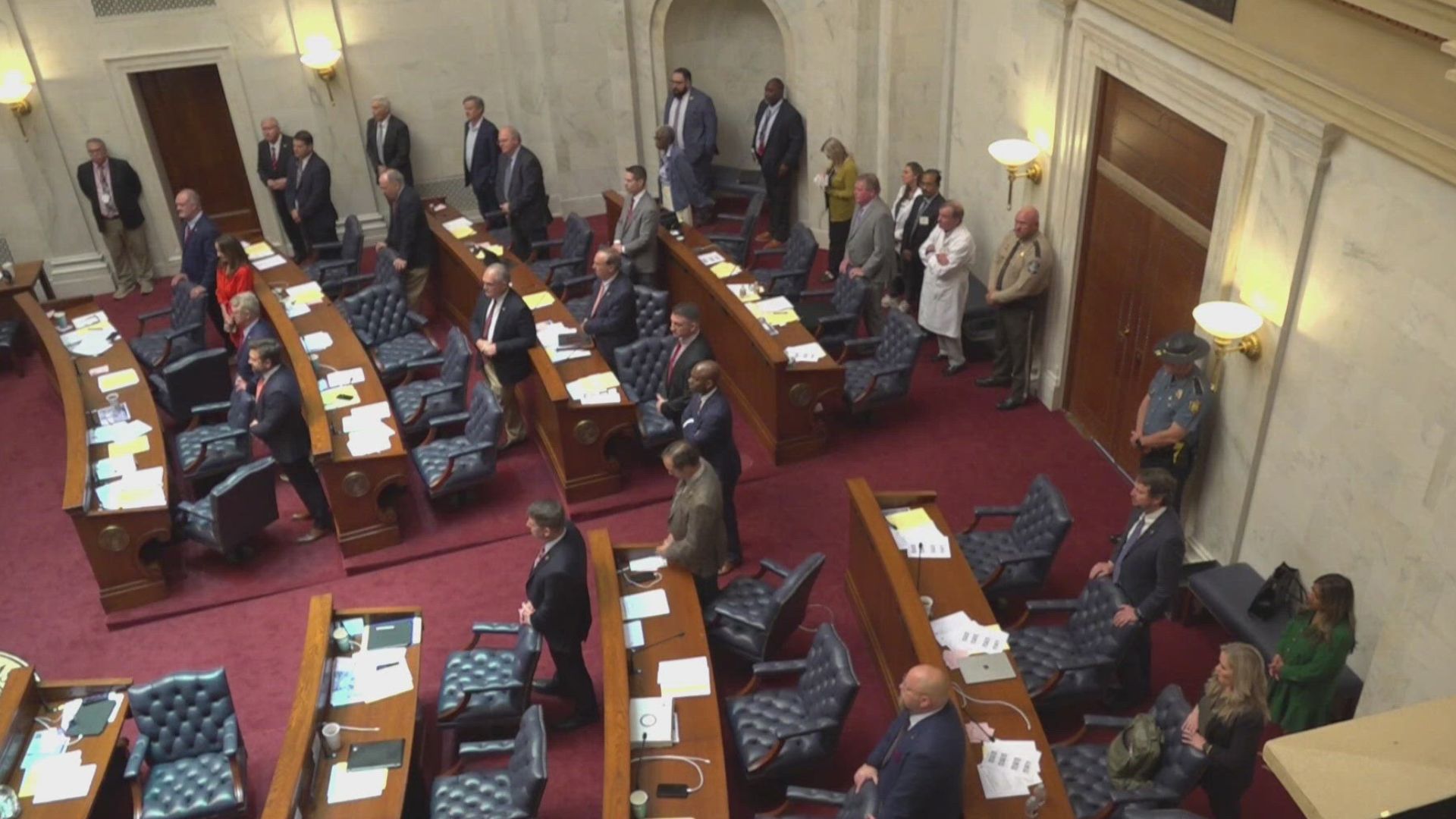
Little Rock, Arkansas – The Arkansas Senate moved through a packed agenda this week in Little Rock, taking up a series of non-appropriation bills that touched on energy, housing, taxes, and state regulatory authority. At the center of debate were six resolutions introduced by State Senator Bryan King, all aimed at revising parts of the Arkansas Data Centers Act of 2023.
Senator King’s proposals focused heavily on how and where large data centers and crypto mining facilities are approved in Arkansas. His argument was straightforward, but forceful: local communities should have the final say before such projects are built in their areas.
“And I believe that local communities should be able to decide whether they want a crypto mine or data center, and they shouldn’t have it shoved on them,” State Senator Bryan King, District 28, said.
Across the state, multiple sites have been proposed for data center development, raising questions about land use, infrastructure, and long-term impact. One of King’s resolutions sought to return decision-making power directly to county and city residents, allowing them to vote or formally approve such projects before construction begins. However, despite the debate, all six of his resolutions ultimately failed in the Senate.
Another major concern raised during discussion centered on environmental strain. Large data centers are known for high electricity consumption and significant water usage, issues that critics say are not always clearly explained before projects are approved.
“People want to know what these things are about, and they’re huge energy users, and they’re going to impact us. They’re going to impact us on water. And we need to know up front. We need to be the citizens and the local government. Need to have an informed decision on these rather than have them railroaded overuse. And you’re going to find out the consequences later,” King said.
Energy reliability also became part of the broader conversation. King pointed to past assurances about power capacity in Arkansas, suggesting that expectations and reality have not always matched. He raised concerns that rising demand from large industrial users could eventually affect electricity costs for residents.
“It’s about the direction. I mean, energy promised here three years ago that we had plenty of capacity and we weren’t going to raise rates. Well, what’s the first thing they did down here this last session, they raised rates and said that they don’t have enough capacity for energy, and we know we have an energy deficit, and the reality is they haven’t been honest and forthcoming in this. So how can you trust them,” King said.
Despite the setback on data center regulation, the Senate did advance two of King’s other proposals, allowing them to move forward as non-appropriation bills. One of those, Senate Resolution 15, focuses on property tax relief for homeowners. The proposal would increase the state’s homestead tax credit from $600 to $675. If approved, the change would take effect in 2026. A related measure in the House has already passed, signaling growing legislative support for the adjustment.
Supporters of the tax credit increase argue it would provide modest but meaningful relief to homeowners facing rising costs. While not a large financial shift, it is seen as part of a broader effort to ease property tax pressure across the state.
The second measure to advance, Senate Resolution 21, addresses a more complex issue tied to housing arrangements and consumer protections. The proposal would create what is titled the Arkansas Property Rights Protection from Sharia Law Act. It focuses on alternative property models where buyers do not directly own real estate but instead purchase shares in a company tied to the property.
Under the bill, developers and sellers would be required to provide clearer disclosures to buyers, ensuring that the structure of these arrangements is fully understood before agreements are signed. It would also require that any disputes be handled in U.S. courts, while adding additional consumer protections intended to reduce legal uncertainty.
While the Senate rejected efforts to reshape data center regulation, the session highlighted a broader mix of priorities—from energy and environmental concerns to housing and tax relief. As debate continues in future sessions, the competing pressures between economic development, local control, and infrastructure demands are likely to remain at the center of Arkansas policy discussions.


