
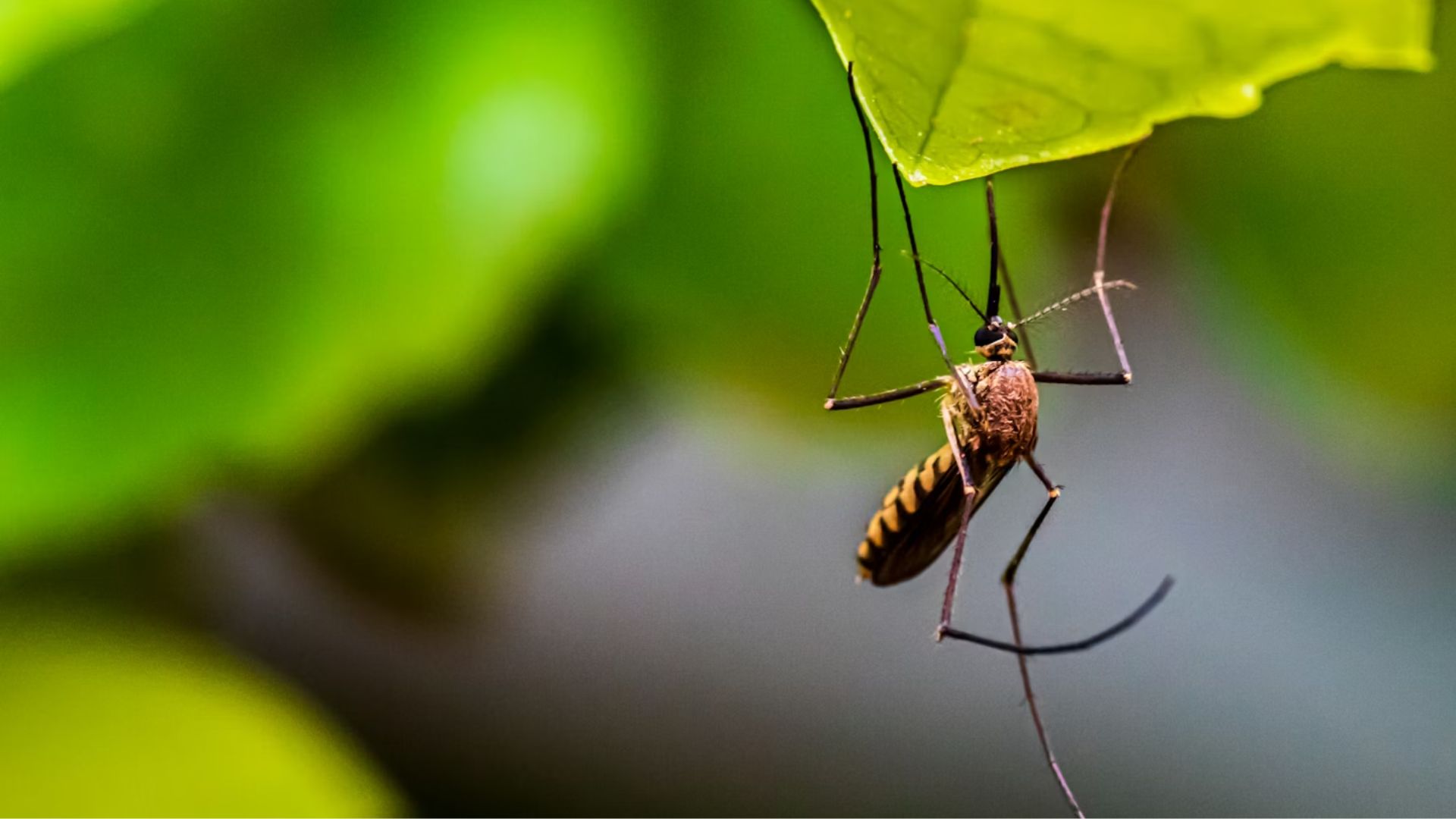
Arkansas – A deep and lingering drought across Northeast Arkansas is changing the landscape in more ways than one, drying out fields, shrinking ponds, and lowering creek levels. But experts warn that one familiar summer nuisance is not simply disappearing with the water.
Instead, mosquitoes are adapting in a way that may surprise many residents.
According to biology instructor Chris Thigpen at Arkansas State University, the dry conditions may reduce overall mosquito numbers in some areas—but they also push the insects into tighter, more concentrated pockets where water still exists.
“You’re going to see some drop in numbers, but really what’s happening is they’re going to concentrate more around where that standing water is,” Thigpen said.
That means places like ponds, lakes, and slow-moving creeks could become hotspots. Even smaller, easily overlooked containers—old tires, buckets left outside, plant trays, or decorative bird baths—can become breeding grounds. Mosquitoes need very little water to begin the cycle of life.
“They can reproduce in as little as like an inch of water,” Thigpen said.
That simple fact helps explain why drought does not eliminate the problem. It only reshapes it.
At the Craighead County Extension Office, county agent Chris Grimes says the biology behind mosquito life cycles means water scarcity can temporarily slow activity—but not erase it entirely.
“The mosquitos, they got to have a water source to hatch the eggs and complete their life cycle,” Grimes said.
He added that in some cases, the drought may even shorten the visible mosquito season, or delay it until heavy rain returns and replenishes breeding sites. But that delay can be deceptive.
“With us being in a drought situation, it could decrease the mosquito population, or it could delay it,” Grimes said.
That delay carries its own risk. When rain finally does return, mosquito populations can surge quickly. Some species lay eggs that are remarkably resilient, capable of surviving dry soil or dried-up containers for long periods. Once water returns, the cycle restarts almost immediately.
“If there’s any more water coming around, those eggs that get submerged and they start to rehydrate, they will start to hatch,” Thigpen said.
In other words, the drought may be pressing pause—but not ending the problem.
Both experts emphasize that human environments play a major role in mosquito activity. Backyard items that collect water often become unintended breeding sites, especially during dry stretches when even small amounts of water stand out more.
“Anything that can hold standing water…old tires…buckets. There are a lot of bird baths in our landscaping. I encourage you to change that water out every three or four days,” Grimes said.
It is simple maintenance, but it can significantly reduce local mosquito activity. Even minor changes in household habits can make a difference when water sources are limited.
Thigpen also pointed out that mosquitoes are far more adaptable than many people assume. They are not fragile insects dependent on perfect conditions.
“They can survive really in any conditions, they have evolved to dry out, they can withstand the cold as long as they have an acclimation period. If there’s any water, they are going to go for it,” Thigpen said.
That resilience is part of why experts urge residents not to let their guard down during drought conditions. Lower numbers may create a false sense of security, but mosquitoes can still carry diseases and remain active in concentrated areas.
As Northeast Arkansas continues to face dry conditions, the message from researchers and extension officials is consistent: drought changes mosquito behavior, but it does not eliminate the risk.
Instead, it shifts the battle closer to home—into yards, containers, and any place where even a small amount of water can quietly restart the cycle.


