
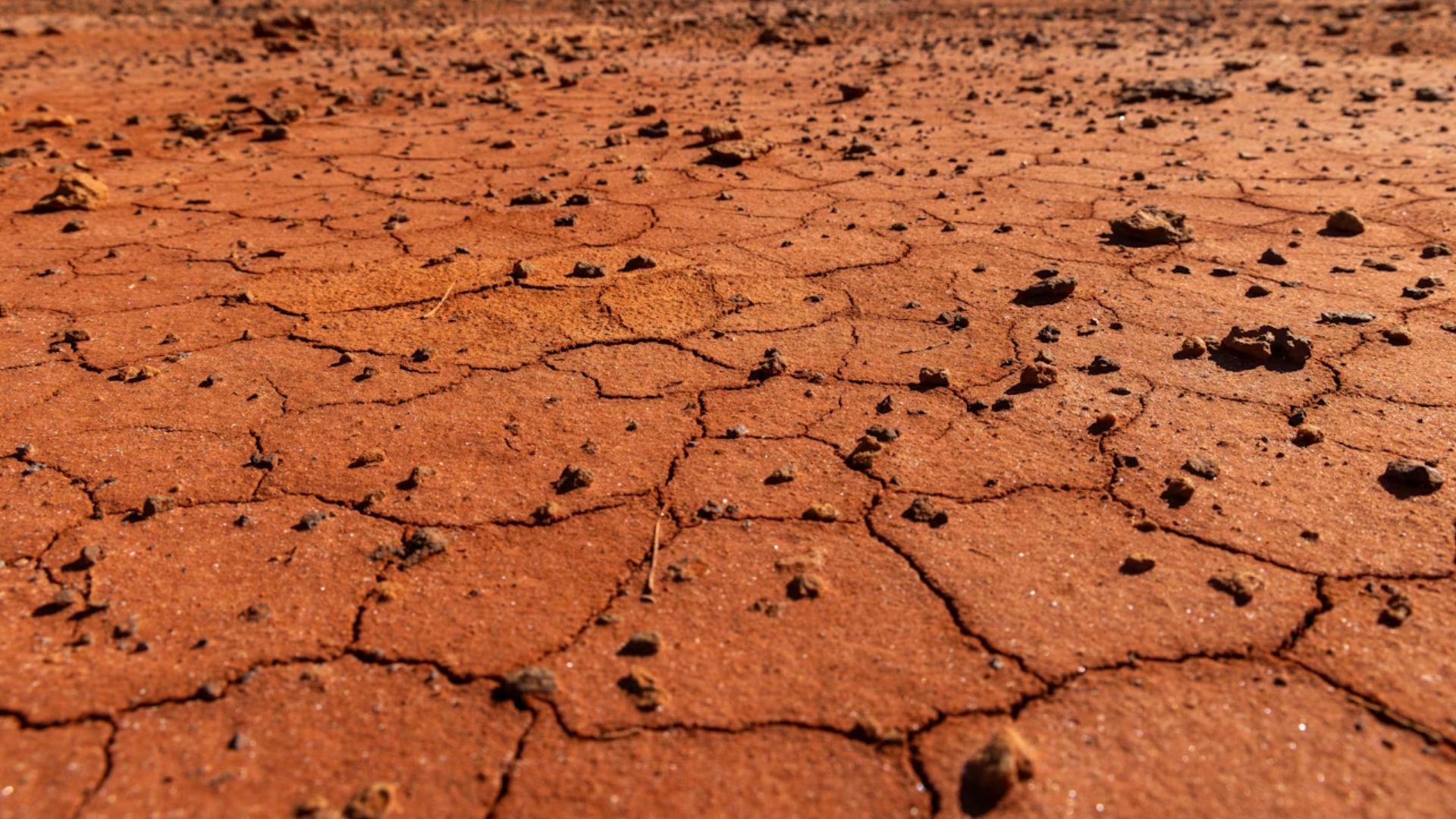
Little Rock, Arkansas – Much of Arkansas is facing severe to extreme drought conditions as the state’s growing season nears, putting farmers and agricultural communities on high alert. Large swaths of the state are experiencing dry soil, low water levels, and increased stress on crops, creating added challenges for farmers who are already navigating a difficult economic climate.
The issue was front and center during the annual Arkansas Rice Meeting held today in Harrisburg, where farmers, lawmakers, and industry leaders gathered to discuss strategies for coping with the ongoing drought. Attendees emphasized the urgent need for support, water management solutions, and practical guidance as planting season approaches.
Governor Sanders addressed the crowd, acknowledging the struggles faced by the state’s agricultural sector over the past year.
“I know that the last year was one of the most difficult in recent memory for our entire ag industry,” said Sanders. “I know many of you are talking with lenders right now, trying to figure out how you are going to get seed in the ground for the next year. I’m here today to let you know you are not forgotten.”
Read also: El Dorado High School cheer team captures a national championship at a major competition in Florida
The governor also highlighted ongoing measures aimed at providing relief and assistance to farmers. Among these initiatives is an income tax exemption specifically designed to support agricultural operations, as well as disaster relief payments approved late last year. These state-level programs were coordinated alongside federal aid to help farmers weather challenging weather and economic conditions.
Agriculture experts note that the drought could have far-reaching effects on crop yields, livestock, and long-term soil health if dry conditions persist. Farmers are closely monitoring precipitation levels and irrigation availability, with many expressing concern about the ability to plant crops on time and secure sufficient water throughout the season.
At the meeting, industry leaders stressed that collaboration and innovation will be key to mitigating the impacts of the drought. Discussions ranged from water conservation practices to government programs and financial support options for farmers struggling to keep operations afloat.
The governor’s office confirmed that state agencies are coordinating with local officials to ensure resources and information reach farming communities quickly. Sanders also urged lawmakers and residents to continue supporting Arkansas farmers, emphasizing that the state’s agricultural industry is a cornerstone of the local economy and critical to food production nationwide.
As the growing season approaches, Arkansas farmers are preparing to contend with one of the most severe droughts in recent memory. While relief programs and federal assistance provide some support, experts warn that ongoing monitoring and proactive planning will be essential to avoid significant crop losses and economic hardship.


