
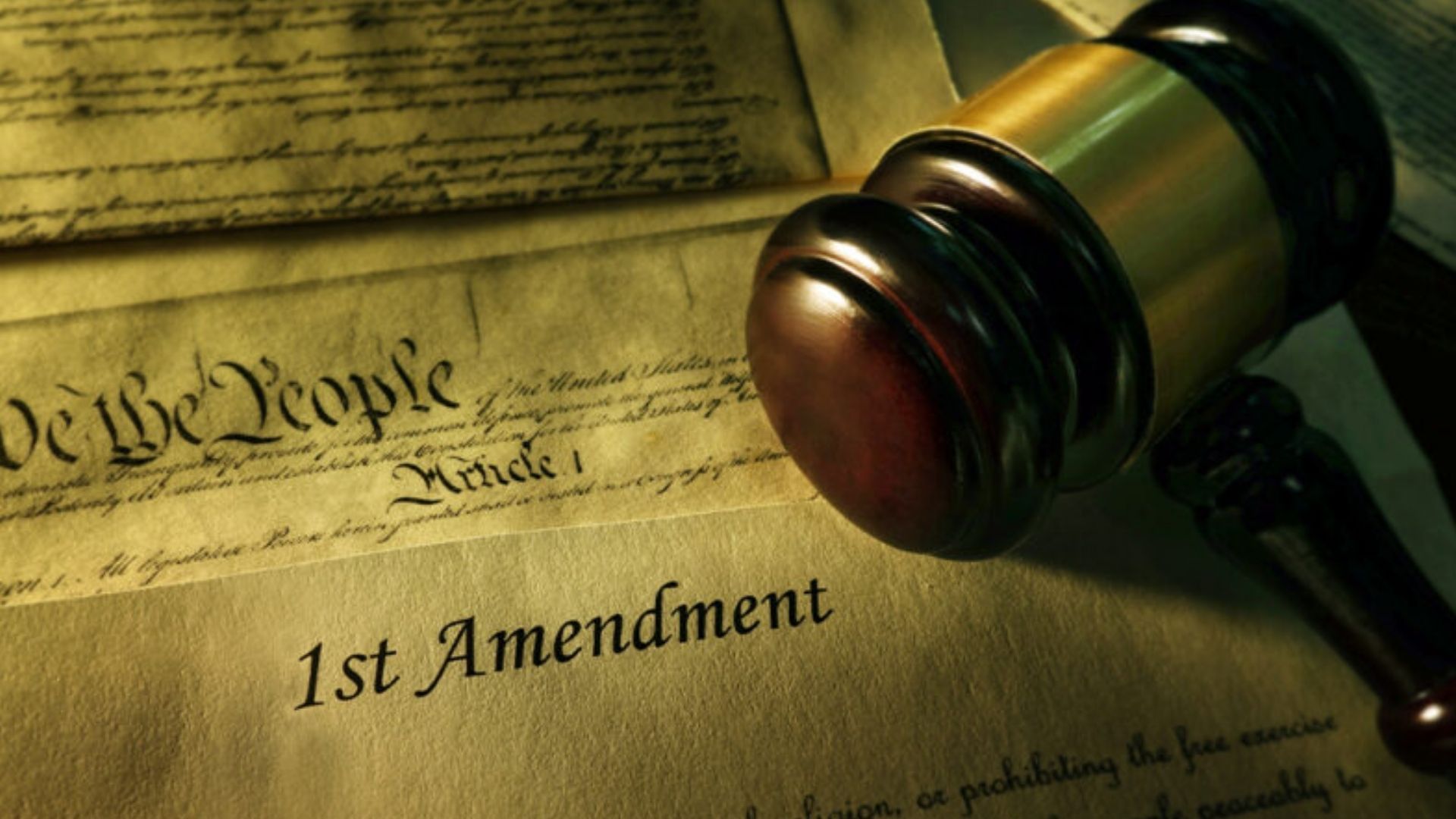
Little Rock, Arkansas – The American Civil Liberties Union (ACLU) of Arkansas has reached a settlement with the City of Rose Bud to protect the First Amendment right to petition the government, bringing an end to a legal dispute that centered on restrictions placed on political canvassing in public spaces. The settlement, reached on behalf of the advocacy group For AR Kids, resolves concerns over a 2024 ordinance that barred individuals and organizations from gathering signatures for ballot initiatives at town-sponsored events and other public areas.
The controversy began just days before Summerfest, one of Rose Bud’s largest community events. The ordinance, passed by the City Council in 2024, effectively prohibited canvassing at the festival, where groups like For AR Kids had planned to collect signatures in support of a proposed state education reform initiative. The timing of the law sparked immediate concern from advocates, who argued that it infringed upon the fundamental right to petition the government and limited public engagement in the democratic process.
In response, the ACLU filed a lawsuit challenging the ordinance, calling it an “unlawful attempt to restrict political canvassing on public property.” The case quickly gained momentum, and on June 20, 2024, the U.S. District Court for the Eastern District of Arkansas issued a temporary restraining order that blocked enforcement of the law, citing “serious constitutional concerns.” The ruling highlighted the critical role of public spaces in enabling citizens to speak freely, organize, and advocate for policies that affect their communities.
Under the settlement, the City of Rose Bud has formally repealed the ordinance and committed “not to engage in similar conduct in the future.” Additionally, the city is now required to provide the ACLU of Arkansas with at least 30 days’ notice before proposing any new ordinances that could restrict canvassing on public property. This provision ensures that both residents and advocacy groups can review potential regulations before they are enacted, safeguarding the right to engage in civic participation without interference.
“This case was about a core democratic principle: the right of the people to speak, organize, and petition their government in public spaces without fear of censorship or retaliation,” said John Williams, legal director of the ACLU of Arkansas. His remarks emphasized the broader implications of the settlement, underscoring that public engagement and political advocacy are essential components of a healthy democracy.
Bill Kopsky of For AR Kids also highlighted the significance of the agreement, noting that the ruling extends far beyond Rose Bud. “Petitioning isn’t a special privilege — it’s how everyday Arkansans participate in democracy,” Kopsky said. “This settlement protects the right of people to talk to their neighbors, advocate for better schools, and put issues directly on the ballot without government interference. That matters not just in Rose Bud, but everywhere in Arkansas.”
Financial terms of the settlement include payment by the City of Rose Bud of $3,500 in attorney’s fees and $405 in litigation costs. While modest in monetary terms, the resolution carries substantial weight in affirming citizens’ constitutional rights and setting a precedent for the treatment of political advocacy in local public spaces.
The case highlights the essential role of organizations like the ACLU in monitoring and defending civil liberties at the local level. By challenging laws that may suppress citizen engagement, such groups ensure that fundamental rights, such as petitioning the government and participating in democratic processes, are protected for all residents.
With the ordinance repealed and clear commitments in place, Rose Bud residents can now exercise their First Amendment rights with confidence. Whether speaking to neighbors, gathering signatures for ballot initiatives, or advocating for educational reform, citizens are assured that their voices will not be silenced. The settlement reinforces the principle that government authority must not be used to restrict lawful civic participation, and it serves as a model for other municipalities in Arkansas and beyond.
By formally affirming the right to petition and setting boundaries for future ordinances, the City of Rose Bud and the ACLU of Arkansas have jointly strengthened the framework for civic engagement. This resolution demonstrates that protecting the democratic process requires vigilance, advocacy, and a commitment to ensuring that all residents can actively participate in shaping the policies that affect their lives.


