
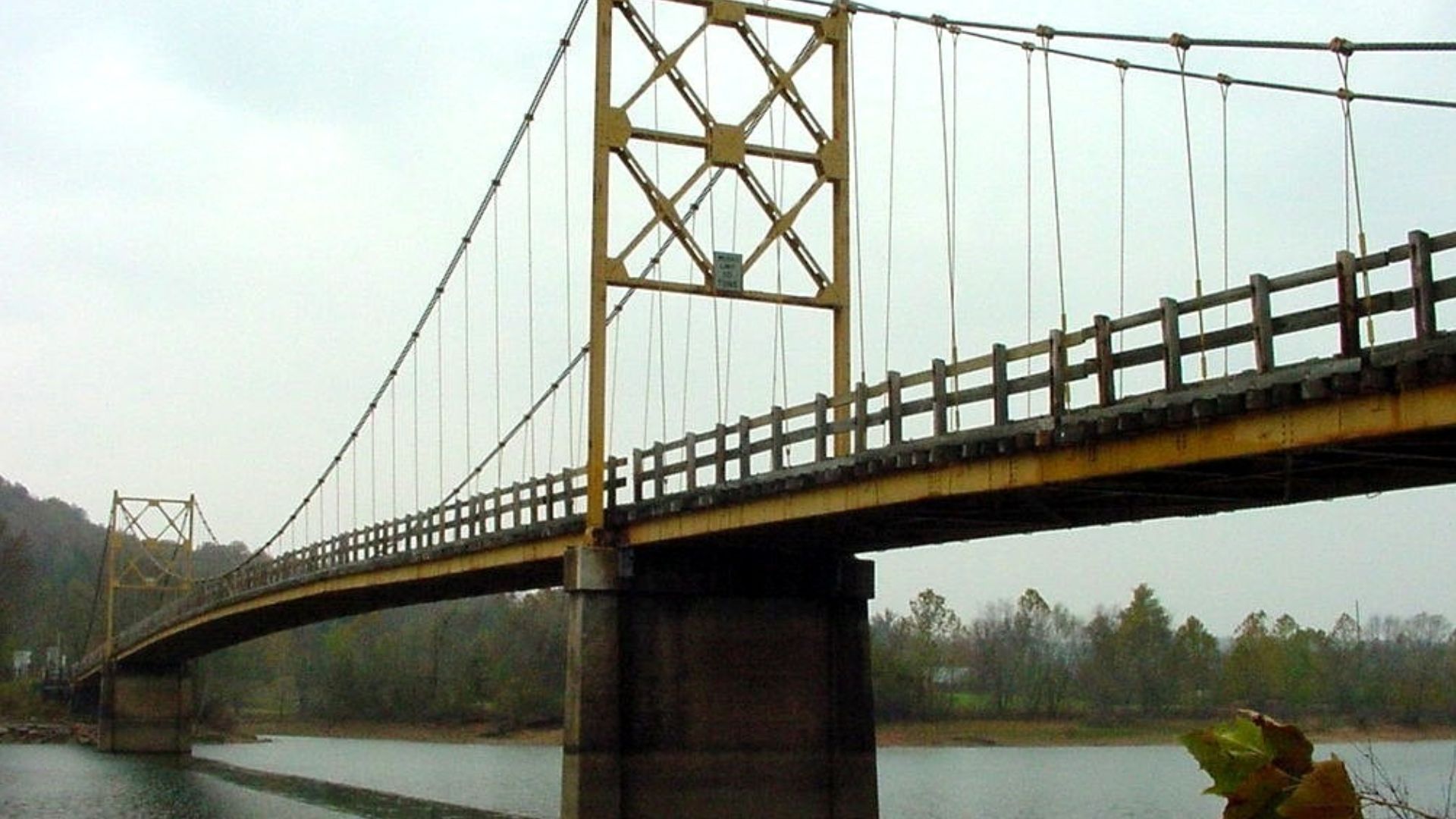
Arkansas – The Arkansas Department of Transportation (ARDOT) has announced an opportunity for public and agency input on a draft Historic Bridges Programmatic Agreement, a move aimed at ensuring the protection of the state’s historic bridges while complying with federal regulations. Through the Federal Highway Administration, ARDOT is inviting comments from a broad range of stakeholders, including federal agencies, state and city organizations, county authorities, and federally-recognized Indian tribes. Members of the public are also encouraged to participate in the consultation process.
The draft agreement is designed to comply with Section 106 of the National Historic Preservation Act and its implementing regulations, known as 36 CFR Part 800 – Protection of Historic Properties. It outlines ARDOT’s procedures for handling historic bridges and provides a framework for preserving these structures while allowing necessary maintenance and upgrades. By formalizing these procedures, ARDOT aims to balance infrastructure improvement with the preservation of Arkansas’ cultural and historic assets.
“ARDOT would like to invite additional consulting parties and the public to review and comment on the draft Agreement and notify us of any concerns that you may have regarding this Agreement within 30 days,” officials said. Stakeholders and members of the public have until 4:30 p.m. on Tuesday, February 10, 2026, to submit their comments. Comments can be submitted online through ARDOT’s comment form, or printed forms can be mailed to the Environmental Division at P.O. Box 2261, Little Rock, AR 72203-2261. For those without internet access, questions and requests for assistance can be directed to Jason Eads at (501) 569-2079 or via email at [email protected].
The consultation process is part of ARDOT’s broader commitment to transparency and community involvement in decisions that affect historic structures across the state. Historic bridges are not only transportation assets but also symbols of Arkansas’ engineering and cultural history. By seeking public input, ARDOT is ensuring that concerns about preservation, safety, and community impact are addressed before finalizing the agreement.
In addition to its focus on historic preservation, ARDOT emphasized its adherence to civil rights and nondiscrimination policies. “The Arkansas Department of Transportation complies with all civil rights provisions of federal statutes and related authorities that prohibit discrimination in programs and activities receiving federal financial assistance,” officials said. ARDOT does not discriminate based on race, sex, color, age, national origin, religion, or disability in its programs, services, or employment practices. Individuals with complaints or inquiries regarding ARDOT’s nondiscrimination policies may contact the Civil Rights Division at P.O. Box 2261, Little Rock, AR 72203, by phone at (501) 569-2298 (Voice/TTY 711), or via email at [email protected].
ARDOT also offers free language assistance upon request, and notices are available in large print, audiotape, or Braille through the ADA/504/Title VI Coordinator. These measures reflect the department’s ongoing effort to ensure that public participation in the historic bridge consultation process is accessible to all Arkansans.
With the comment period open until early February, ARDOT is encouraging residents, local agencies, and interest groups to review the draft Historic Bridges Programmatic Agreement carefully and submit their input. The department stressed that public engagement is critical to preserving the state’s historic infrastructure while meeting the needs of modern transportation. By providing feedback, stakeholders have the opportunity to influence procedures that will shape the future of Arkansas’ historic bridges for years to come.
The draft agreement and instructions for submitting comments are available online, making it easy for those interested to participate in shaping how ARDOT manages, maintains, and protects the state’s historic bridges. This initiative underscores ARDOT’s commitment to responsible stewardship of Arkansas’ transportation infrastructure and cultural heritage.


