
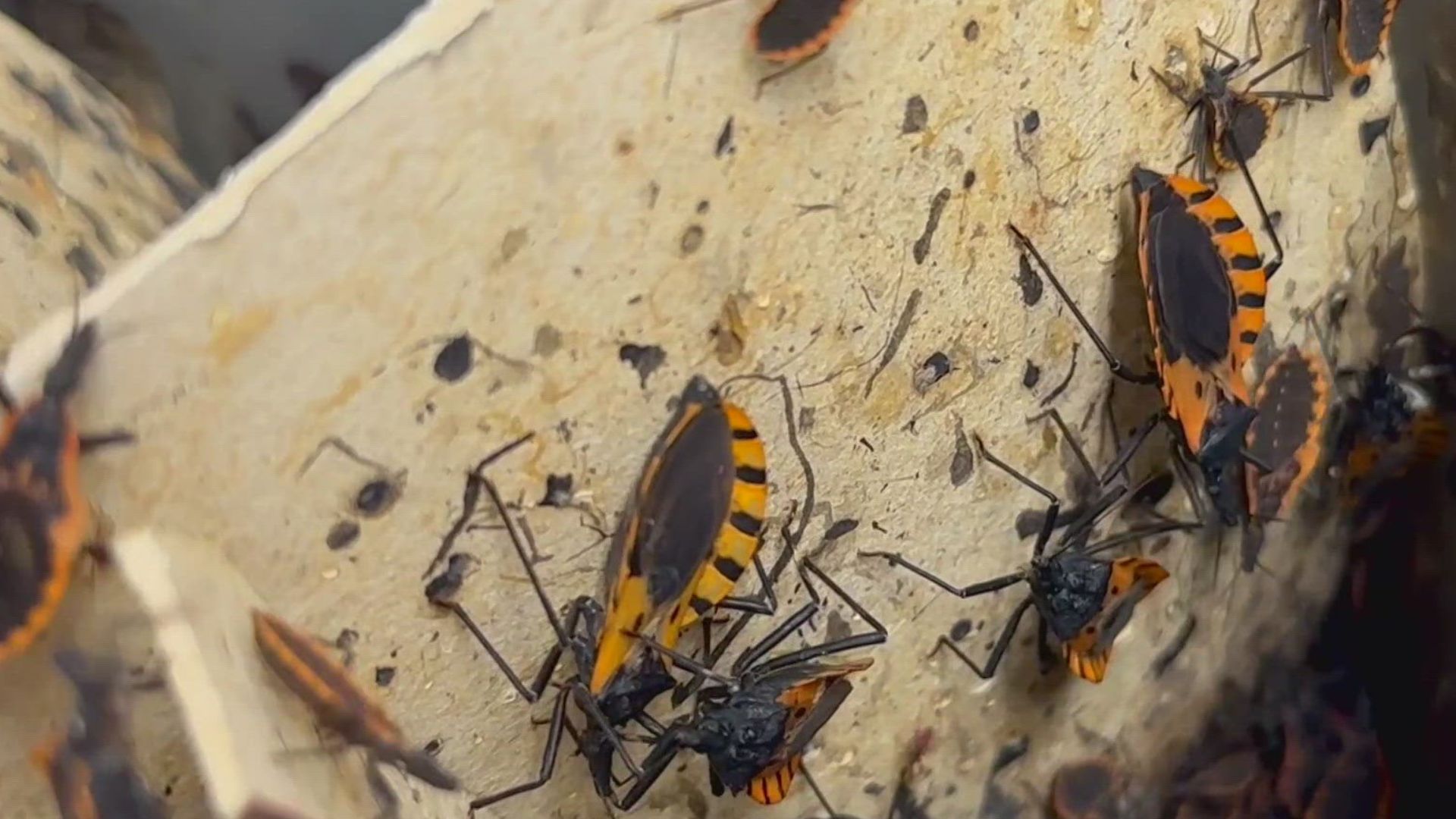
Little Rock, Arkansas – The Centers for Disease Control and Prevention (CDC) has issued a cautionary alert about a dangerous insect known as the “kissing bug”, which has been reported in Arkansas and several other states across the United States. The CDC warns that this bug carries Chagas disease, a potentially deadly illness that has traditionally been found in rural regions of Mexico, Central America, and South America, but is increasingly being identified domestically.
Scientifically referred to as Triatominae, the kissing bug has the capacity to transmit Trypanosoma cruzi, the parasite responsible for Chagas disease. While the disease remains rare in the U.S., the CDC reports that human cases have now been documented in eight states: Arizona, Arkansas, California, Louisiana, Mississippi, Missouri, Tennessee, and Texas. In total, Chagas disease has been reported in 32 states, illustrating the need for increased awareness and precaution. Globally, about 8 million people are estimated to be infected, with roughly 280,000 cases in the United States.
“The concern with Chagas disease is that many people are unaware they are infected,” CDC health officials said. The disease can remain silent for years, sometimes decades, and if left untreated, it can result in severe heart and digestive complications that can be fatal.
The kissing bug is named for its habit of feeding on human blood, often around the face, particularly near the mouth and eyes. The insect is relatively easy to identify due to its distinctive orange-red to yellowish markings on the body and wings, which cover less than a quarter of the abdominal segment. Key identifying features include a black pronotum with orange-red to yellowish margins, relatively hairless mouthparts, and a long, narrow tip of the scutellum. Awareness of these features can help residents distinguish these insects from other bugs commonly found in homes and outdoors.
How Chagas disease is transmitted
Chagas disease spreads through the feces of the kissing bug, not directly through the bite itself. The CDC explains that the parasite is transferred when a bug bites an infected animal or human and later defecates near the bite site. Infection occurs if the parasite-laden feces enter the body through a cut, the eyes, or the mouth, sometimes through inadvertent rubbing of the affected area. This indirect method of transmission makes it particularly insidious, as people may unknowingly expose themselves to infection.
Symptoms of Chagas disease often vary and may appear shortly after infection. One notable early sign is eyelid swelling, known as Romaña’s sign. Other common symptoms include fever, fatigue, body aches, headache, rash, loss of appetite, diarrhea, and vomiting. In many cases, individuals may experience no noticeable symptoms for years, entering what health officials call the chronic phase, which can lead to serious cardiac and digestive problems over time.
Preventative measures are crucial, as there are currently no vaccines or drugs available to prevent Chagas disease. The CDC recommends a series of steps to reduce the risk of infection, particularly in areas where kissing bugs are known to live. People are advised to stay in well-constructed buildings, use insecticides or bug spray, wear clothing that covers exposed skin, and avoid consuming raw fruits and vegetables that could be contaminated. Attention to home and environmental hygiene, along with vigilance during outdoor activities, is key to reducing encounters with these insects.
Public health experts stress that while the risk of infection in the U.S. remains low, awareness and education are essential to prevent potential outbreaks. The CDC encourages individuals who suspect they have been bitten by a kissing bug or who experience symptoms associated with Chagas disease to seek medical attention promptly, as early detection and treatment can significantly improve outcomes.
Residents of Arkansas and neighboring states are urged to remain vigilant, particularly in rural and suburban areas where kissing bugs are more likely to be found. Community awareness campaigns and educational outreach may help reduce the spread of the disease and ensure that people understand both the risks and the methods for prevention.
The emergence of Chagas disease in the U.S. highlights a broader public health challenge: the need to monitor the movement of insects capable of transmitting pathogens and to educate the public about the risks they pose. Health officials note that climate, migration patterns, and changes in local ecosystems may increase encounters with kissing bugs, making preventive measures and informed vigilance more important than ever.
For now, the CDC’s warning serves as a critical reminder that even insects that seem innocuous can carry serious risks. By understanding how Chagas disease spreads, recognizing the appearance of kissing bugs, and practicing simple preventative measures, residents can protect themselves and their communities from this potentially deadly parasite.


